

Is Second-hand The Answer? A Summary of ThredUp's Resale Report

Second-hand a sustainable solution
My summary of the amazing Thredup Resale Report reveals that the secondhand fashion market is going gangbusters! If you forget everything after reading this please remember this, the second-hand apparel market is outpacing the broader fashion retail market.
Key findings from the report indicate that the global secondhand apparel market is projected to reach $350 billion by 2028, with a compound annual growth rate (CAGR) of 12%.
The global second-hand apparel market grew by 18%. By 2025 10% of global apparel will be second-hand.
In the U.S., the secondhand market is expected to grow by 11% each year reaching $73 billion by 2028.
Online resale is driving much of this growth, with the segment expected to double in the next five years, growing at a CAGR of 17% and is predicted to reach $40 billion by 2028. Online retail will make up half of second-hand apparel purchases by 2025.
According to the ThredUp report, several factors are fueling this shift toward second-hand shopping.
The Economy
In 2024 consumers identified they would spend more on second-hand if the economy does not rebound. Whilst in 2023, 3 in 4 consumers stated value as the most critical consideration when it comes to spending on apparel.
Personal Expression
Younger consumers are turning to secondhand apparel for reasons other than affordability.
Many Gen Z and Millennial shoppers see secondhand clothing as a way to express their style and make eco-conscious choices.
More than half surveyed said that shopping secondhand gave them the best value for their money, with many expecting to increase their spending in this category if economic conditions remain uncertain.
Earn Extra Cash
In 2023 peer-to-peer reselling of apparel at 25% was almost the same as 2021 reflecting post-pandemic clearouts. Gen Z and Millennial consumer figures were even higher at 33%.
Almost half used the money made from resale for daily living whilst the younger Gen Z used it for saving. Consumers cited other reasons for reselling including clearing out their closets and sustainable fashion disposal.
Branded Resale
The report also highlights the rise of branded resale programs, with 163 brands offering resale options in 2023 (up by 34).
This trend is expected to continue as more retailers recognize the business potential of resale.
Nearly 87% of retail executives said resale advanced their sustainability goals, 80% said it generated more revenue, 67% agreed to resale driving new customers and 63% expected resale to contribute at least 10% of their revenue in the next five years. Whilst 74% of brands who have not started resale programs state they are actively looking into resale.
Popular brands such as J.Crew, American Eagle, and Kate Spade have already jumped on board with new resale initiatives powered by ThredUp’s Resale-as-a-Service (RaaS).
Of course, much of this data is US-based and ThredUp is promoting its second-hand marketplace, however, with an estimated 100 billion garments produced a year second-hand is an important part of reducing fashion’s impact on the environment.
The report points to a promising future for resale, with the potential to reshape the fashion industry by reducing waste and promoting sustainable consumer behaviour.
ThredUp is an online peer-to-peer consignment marketplace where consumers can buy and sell secondhand clothing. Read their full report here.
NB Please note this article is using the report as a basis to discuss fashion brands considering second-hand as a sustainable option, this is not an endorsement of their services or brand.
Fashion Wholesale: Unlocking the World of Bulk Fashion Distribution

To wholesale or not to wholesale? That is the question. That is my spin on the question I often get asked:“What is Wholesale?” Fashion wholesale was and still is the backbone of the fashion industry depending on the fashion market level.
Although direct-to-consumer brands appeared to be the most hyped business model pre-covid, traditionally, most ready-to-wear brands rely on wholesale accounts. Recently, I was listening to a podcast and was astounded to hear that a resort wear brand launched in 2016 made 90% of its revenue via wholesale. Fashion wholesale is very much still relevant. Ignore it at your peril.
Don’t get me wrong, the direct-to-consumer-only business model does work. Direct to consumer or what the industry used to refer to as Private Label, is when you create a brand that is not available for wholesale, i.e. not available through third-party retailers, only allows customers to purchase via its own channels (store or website etc).
However, when developing your distribution strategy consider that wholesale or bulk sales plays a crucial role if you have limited resources. Scaling up with limited funds means making products accessible to a wide audience and one of the easiest ways to do that is via a wholesale model. If you are considering wholesale read on to understand the advantages and pitfalls.
Understanding Fashion Wholesale
Fashion wholesale is a supply chain model that involves the sale of products in bulk quantities to retailers, such as department stores, independent boutiques, and online stores.
It acts as a bridge to allow fashion brands to reach new customers, expand to new markets and reduce financial burdens and risks. Orders are placed and full or part-payment is made before the product is manufactured, which helps maintain liquidity and positive cash flow.
By definition fashion wholesale allows other multi-label retailers to sell the brand’s products at a profit. That profit margin is subject to negotiation and may vary depending on the market. For example, some high-end retailers may expect a 60%-80% margin at retail. Whilst mass market retailers might accept lower margins since more volume is sold.
Speaking of volume, wholesale works on the premise of larger quantities. The wholesale brand must set a minimum quantity the retailer needs to order to make a profit. Established brands think in terms of collections, which includes style, colour, materials, and sizes. For very successful brands they control what the Retailer receives and may stipulate the retailer orders the entire collection and in the specific sizes. This usually reflects what is negotiated with the brands’ manufacturer. By definition, fashion wholesale is a B2B (business-to-business) model.
Benefits of Fashion Wholesale: Reduced Risk of Unsold Inventory
Direct to retail to consumer always runs the risk of having excess inventory at the end of the selling season. With a wholesale model, since payment is made upfront before manufacturing or agreed timeline, the risk is transferred from you to the retailer. Who holds the title of the goods, and is responsible for sale. Unlike a consignment model when the retailer sends back any unsold stock.
Benefits of Fashion Wholesale: Economies of Scale & Efficiency & Spreading Risk
Orders are secured in advance of production and brands can use this knowledge to negotiate with suppliers based on the quantity of orders they place with the factory. This is known as an economy of scale. If you only place orders for direct retail, you may have less quantity to manufacture and therefore you miss out on potential cost-savings.

With regards to spreading or reducing your risk or exposure to unsold inventory let’s say for example the minimum quantity the factory accepts is 300pcs, if I have 2 wholesale accounts then you could spread that risk with Retailers. By stipulating that retailers must order a minimum of one hundred pieces (approximating 100 per retailer and 100 sold directly). Of course, you should have built a ‘must-have brand’ to wield some negotiating power. Retailers will want to reduce their risk by ordering the lowest quantity possible.
Benefits of Fashion Wholesale: May benefit from the Brand Equity
Retailers, whether physical stores or e-commerce have a brand reputation, some have a loyal customer base, who may try a brand for the first time on the recommendation of being in their favourite store.
Successful retailers have more foot traffic or online visitors than individual brands especially legacy retailers such as Net-a-porter, Liberties of London etc. For e-commerce that sense of familiarity and trust may also work on the level that consumers are confident their personal data and credit card information is safe with larger or more established retailers.
Benefits of Fashion Wholesale: Widen Customer Base
If you target the correct Retailer who shares a similar target market with your brand you can attract new customers, who may buy directly from you in the future. The most important factor is wholesale allows you to have either an online or physical presence in multiple markets without incurring huge costs.
Wholesale accounts get you distribution in more countries and broaden your customer base. In an economic downturn, this is a critical strategy, since one market may be in the doldrums whilst another maintains sales and therefore may result in less impact on your revenue.
Benefits of Fashion Wholesale: Cross-marketing
Since brands help retailers offer new fashion trends and seasonality there is an opportunity for cross-marketing and sharing the cost of communication. A brand and a retailer may create content online, posters in store, or even co-advertising in traditional media like fashion magazines. The retailer may have the brand cache or connections to create PR buzz and secure lower media costs due to long-term relationships which would in turn help your brand.
Benefits of Fashion Wholesale: Serendipity
Although this sounds intangible, and of course may not always happen, there is something to be said for serendipitous moments, whilst being stocked in one store, I have been approached by stylists, and photographers, and found a life-long network from other brands. Wholesaling in specific retailers especially retailers can expand your network, allow you to meet other founders, and pick up best practice tips from the retailer and other wholesalers.
Pitfalls of Fashion Wholesale
Of course, not every fashion business works wholesale distribution. For example, if your product is unique, or the cost prices are high, the price the end customer is willing to pay may not support a wholesale model. Carry out some cost analysis and you will quickly find out if your product can be sold at wholesale and the quantity required.
Some fashion business models may not support wholesale such as bespoke, or if the pieces are hand-made, or one-off. However, we are seeing upcycled brands providing unique products that disrupt this traditional idea.
As mentioned earlier suppliers/manufacturers have Minimum Order Quantities (MOQs) therefore this must be taken into consideration when offering your MOQs to retailers. Some smaller retailers may be clients that you grow with over time. If they find it challenging to meet your minimums you may have to forgo supplying them, which could mean missing out on a future retail star.
Not all wholesale accounts are made equal. Some retailers are notorious for long invoice payment terms such as 90 days, some do not pay at all. I have heard and experienced first-hand horror stories of non-payment, however, that could happen with consignment. So due diligence is required in each scenario. Don’t be afraid to ask questions, do some background research to look into the finances of the retail business. Ask if other brands that supply that retailer.
Ensure MOUs or contracts are signed and returned and provide a paper trail. I would also recommend you always ask for a deposit of at least 30% to cover the cost of manufacturing. Unfortunate, or unforeseen circumstances could see orders cancelled at the last minute.
Take COVID-19 for instance, many retailers through no fault of their own had to cancel orders to survive the sales downtown. In such instances empathy and coming to mutually beneficial agreements are the only long-term solutions.
Conclusion
The advantages of cost savings, widening target market, scalability, and promotional opportunities make fashion wholesale a cornerstone of the industry.
While challenges exist, such as minimum order quantities, finding the right wholesale accounts and following up on admin and payment terms, the benefits of fashion wholesale outweigh the drawbacks.
As the industry continues to evolve, brands would do well not to ignore third-party retailers as the entire industry must adapt to changing consumer preferences and technological advancements to stay competitive and continue delivering to savvy consumers.
Singapore
In Singapore, wholesale accounts are as rare as unicorns, with retailers preferring consignment arrangements. To survive small fashion brands often rely on corporate or bulk orders from organizations that make bulk orders for special occasions such as National Day, Mother’s Day, Teachers Day and Women’s Day. The price is not always at Wholesale since it’s often a once a year purchase. I’m told it’s usually at retail or a negotiated discount. If you are an entrepreneur based in Asia you could do well with ensuring you know the difference between discounts and wholesale pricing if you hope to expand and sell globally.
From Paris to Singapore: An Interview With Christelle Nouviaire-Domec
Christelle Nouviarie-Domec is a rare gem. A trained fashion designer, with vast experience across design, retail and marketing.

Christelle Nouviaire-Domec
In my latest podcast, I spoke with Christelle to find out how she navigated such a varied path in the fashion industry. From studying at the iconic Studio Berçot in the '90s to cutting her teeth in fashion at the ateliers of Lanvin, Christelle has carved a distinctive path in the world of fashion.
It's extremely rare to encounter someone like Christelle, who counts working in high fashion and shaping the retail landscape in Singapore as notable accolades.
The latest addition to her achievements is fostering sustainable practices in the heart of France. From our conversation, Christelle emerges as a beacon of creativity, authenticity, and social responsibility in the ever-evolving world of fashion
Her journey serves as an inspiration for aspiring designers and entrepreneurs, urging them to not only craft beautiful garments but to weave narratives that transcend trends and contribute positively to the global fashion landscape.
Starting With ‘The Best’ In Fashion
Having studied fashion design at Studio Bercot, a Paris-based institution with luminaries like Isabel Marant and Camille Bidault Waddington, Christelle’s first start in fashion was working as an Accessories Design Assistant at Lanvin. She also worked under legendary designer Claude Montana, describing the period as “the reign of Haute Couture.”

Lanvin Couture, Autumn Winter 1991
She describes haute couture as an “incredible experience as everything is possible, budget isn’t an issue, if you want a pink silk trench coat covered with crystals it’s possible.”
Her role as a designer was to develop bespoke accessories and translate runway designs for clients ordering made-to-measure items. In the 90s, her clientele consisted of celebrities and royals. Later, she transitioned into the glamorous world of fashion magazines, where Christelle worked with iconic supermodels such as Linda, Christy, Helena, and Carla."
Fashioning A Career In The 90s
Drawing from her experiences at Vogue Italia during the 90s, Christelle describes the excitement of collaborating with top fashion photographers and the thrill of international travel while covering fashion runways for Conde-Nast US Magazines.
Listening to her description of those moments gave me goosebumps. From my perspective, the 90s can be considered the golden age of fashion. Christelle also agrees that the decade was characterized by a unique convergence of creativity, resources, and the first emerging global influence for the fashion industry.
Has Fashion Had Its Heyday?
Critics of contemporary fashion often contend that the fashion industry reached its pinnacle in the 1990s. Adopting a more pragmatic stance, Christelle asserts that fashion is inherently about “eternal renewal.” Emphasizing that the 90s were marked by a palpable momentum and dynamism. Recalling the era, she highlights a key differentiator: the resources dedicated to producing awe-inspiring runway shows
Fashion Today
Christelle acknowledges how fashion has changed, whilst the offerings in the 90s were broad, today the industry is fragmented.
During the 1990s, designers gained recognition for expressing themselves through their distinctive stylistic languages. From Galliano at Dior to Rick Owens, each utilized fashion as a means of storytelling, drawing inspiration from their creative impulses at that particular time.
When discussing the evolution of fashion, Christelle suggests that while the 90s may have held a special allure, the current era of fashion is marked by a different kind of dynamism — a continuous reinvention that reflects the industry's adaptability and resilience.
In the past, a handful of designers made the rules. Thankfully the industry's evolution has given rise to diverse voices in a multifaceted market.
As the fashion landscape continues to evolve, each era contributes to the rich tapestry of the industry's history, ensuring its perpetual renewal.
The Singapore Connection
Christelle was invited to Singapore by retail pioneer Mr Tang Wee Sung to reshape the fashion merchandising mix and brand image of Tangs Orchard. The experience offered valuable insights into the Singaporean market, known for its promotion-driven consumer behaviour and a unique blend of cultural influences that contribute to a distinctive fashion landscape.
Her role at Tangs gave her unique insights into the Singaporean department store customer. "All the global brands have a presence in Singapore, and it serves as a testing ground for trying out new retail concepts before launching them worldwide. The locals here are incredibly curious, and shopping is seen as a leisure activity. I played a significant role in providing a retail platform for local designers. I created a unique retail space for SG50's birthday celebration, where we curated collections from new talents and provided mentorship for emerging fashion designers."
Returning To France
Christelle has subsequently returned to France, where she works as an adjunct lecturer at an international fashion school. Her focus is on emphasizing the significance of a unique aesthetic, an understanding of fashion history and staying abreast of key socio-cultural trends.
Christelle has also founded a consultancy specializing in branding and retail strategy for fashion, beauty, and sustainable brands.
Additionally, she also found the time to curate a festival focused on water preservation. The event aims to foster collaboration between scientists and artists to share their expertise.
Advice for Fashion Entrepreneurs
For those aspiring to enter the French market, Christelle reminds fashion entrepreneurs that Paris is the epicentre of fashion, with consumers who are already overwhelmed with choice.
To enter the French market Christelle's advice is for fashion entrepreneurs to find their sense of authenticity, emphasizing that the French customer prioritizes design and quality materials.
Christelle also adds that to succeed in the French market, designers should “focus on design and use quality fabrics like linen, cotton, and silk because French customers prefer natural materials”. In a world full of fashion options, she asks, "Who needs another pair of trousers or dress?"
According to Christelle, the key is to create a unique style that aligns with the brand's values. Designers should consider what's happening globally, in art, and socio-economic trends. She advises, "Develop your fashion universe with a distinct fashion language and style, then turn it into wearable clothes for customers."
Christelle believes that telling stories on the runway is the apogee of style, however, the most important thing is that designers must understand their clients and their needs.
Fashion And The Future of Technology
In discussing fashion's fast-changing landscape, Christelle offered some simple insights into the intersection of fashion and technology. She intriguingly suggests, “The body may be augmented, but I think the language of dressing the body (jacket/dress/shirt/pants, etc.) will remain”.
Subtly implying that the future might be more inclined towards consumers whose sense of belonging is tied to a particular group or style (affiliation), brands that tap into this notion are the ones that will truly distinguish themselves. Examples, such as 'normcore' brands and Margiela in the 90s, highlight instances where these subtle signs of affiliation significantly make a difference in the fashion context.
3 Tips for Fashion Entrepreneurs
To conclude every podcast interview, I ask my guest for three key insights, and Christelle did not disappoint. She delivered three essential tips for aspiring entrepreneurs. Her advice included, 'Don't copy others; be authentic. Pay attention to the supply chain because sustainability is not an option. View fashion as a theatrical experience, offering versatile yet singular options to customers.
Creating Social Impact
Fashion Hub Singapore was established to provide tools for social entrepreneurs to learn from industry experts. The podcast's mission is to equip entrepreneurs with the necessary tools to create exceptional, customer-centric brands and foster positive social impact.
Drawing from her passion for sustainability, Christelle believes that brands can make a social impact by ensuring appropriate working conditions, prioritizing quality and durability in clothing, and exploring innovative textiles made from recycled components. She adds, “I think the future of fashion will also be in the research of innovative textiles”.
Christelle’s career has spanned from haute couture in Europe to reshaping retail in Singapore. I thoroughly enjoyed her insights on the journey — a celebration of creativity, authenticity, and a commitment to a sustainable future.
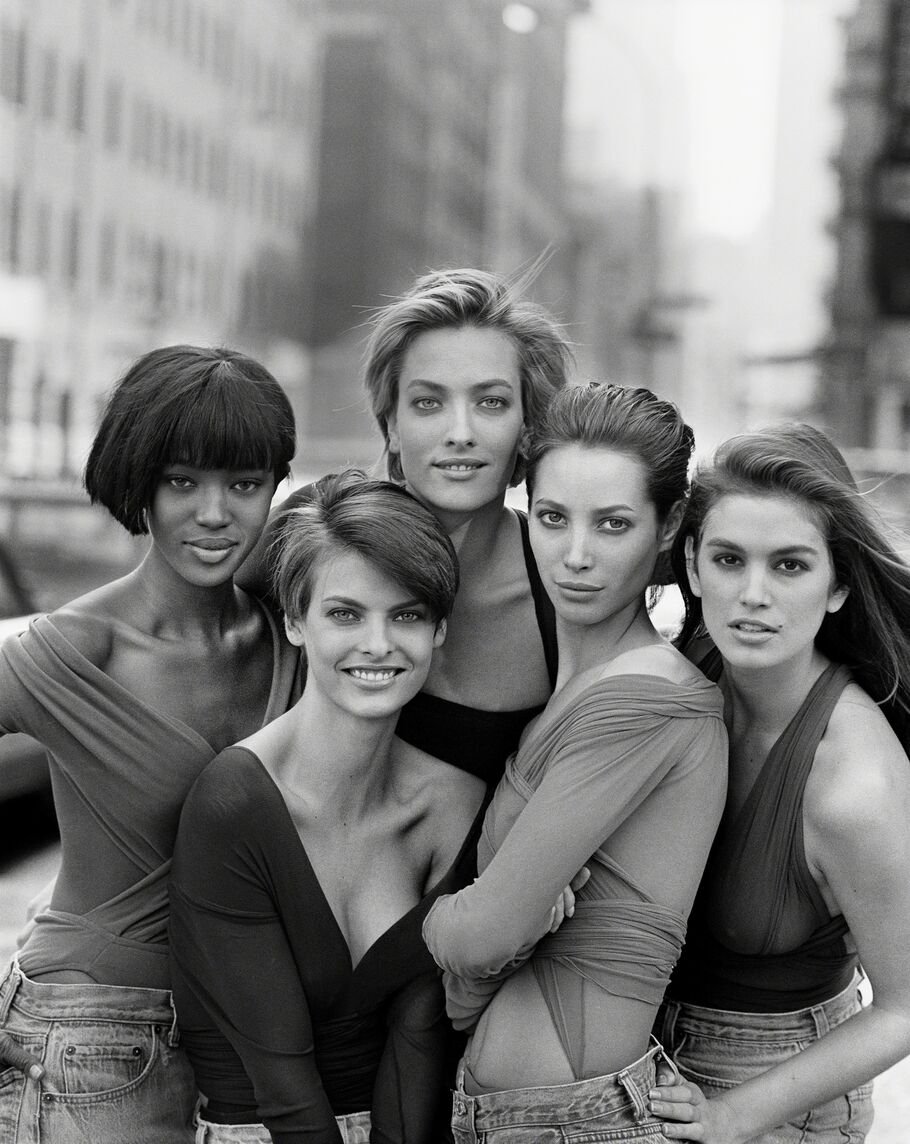
The Iconic ‘Supers’ shot by Peter Lindbergh (C) British Vogue 1990
Listen to the podcast interview with Christelle by clicking the link below.

Women & The Beauty Ideal

The Beauty Ideal
Just like fashion, beauty ideals and standards change over time. Although Coco Chanel allegedly said “beauty begins the moment you decide to be yourself”, how do we account for the $500 billion beauty business which often dictates unattainable standards of beauty for most women? Chanel understood the deep need for women to be attractive. And it made her a fortune. Chanel was one of the first designers to understand the power of her brand to encompass all of a woman’s life including beauty products and perfume - some say this was the secret of her success.
If beauty is in the eye of the beholder, why is society obsessed with external beauty? Every culture has a 'beauty ideal' based on its sociocultural heritage, belief systems, public consensus, and most importantly media. Beauty ideals are ever-changing though slowly over time. In Western media, we can easily trace how what is considered beautiful has changed. From the voluptuous ideal of beauty in the 1880s, which came back into fashion almost 100 years later in the 80s, to the gamin boyish looks of the 1920s; repeated in a slightly different guise in the 90s. If beauty standards change over time should we even be concerned?
A new friend, who is a well-known photographer who takes portraits of women in natural light, asked me to be part of a new series she was working on. At first, I was flattered, but then I thought more about the consequences and declined. When she asked me why - I couldn't answer. Then I realized, working in fashion for over 15 years I told her I have high standards when it comes to beauty. It then dawned on me that my reply meant I didn’t feel I met those high standards.
We’ve since become friends( (I hope) and the topic of how women respond to having their photos taken often comes up. We also invariably discuss our favourite fashion photographers and the power of the image, amongst many other things. But we somehow return to this topic - women, body image, self-criticism, and self-acceptance. We’ve been grappling with the reason why as women we’ve somehow been taught to judge ourselves so harshly. Which also raises the question: why does society judge women on their external appearance more often than men?
What Is The Beauty Ideal?
In her book Perfect Me: Beauty as an Ethical Ideal, Heather Widows explains “We further embrace the beauty ideal. Nobody is firm enough, thin enough, smooth enough, or buff enough—not without significant effort and cosmetic intervention. And as more demanding practices become the norm, more will be required of us, and the beauty ideal will be harder and harder to resist.”
What is this unattainable beauty ideal? A set of unspoken rules that are by definition value-laden. According to Professor Heather Widdows, John Ferguson Professor of Global Ethics, Department of Philosophy, beauty ideals are based on the “assumption that a beautiful, more perfect self is a happier, more successful self - is deeply ingrained in popular discourse, and the language used is exceptionally value-laden." Much research has been undertaken to understand society’s relationship to beauty. Including, but not limited to, that our idea of beauty is usually an attractive face that is usually symmetrical, and youthful to denote health. Height for men and slim or voluptuous bodies for women. However, these ideals may change significantly over time and vary between cultures.
The Self & Self-Judgment
In psychology, the self is an important concept to help understand individual behaviour and account for social norms. The self is a person’s understanding of themselves as separate from others. Animals do not have a sense of self, as can be seen in many online videos to hilarious effect. Young children become aware of the image in the mirror as their reflection as early as 15 to 24 months.
Our self-concept can be affected by personal identity, personality but most importantly the opinions and judgment of others and social comparison. Psychologists have found that critical to our self-concept and body image is what everyone thinks of us.
Our judgments are affected by perceptions of ways in which we are similar and different from other people (whether these perceptions are true or not is another matter). Since we can never be like any other person but ourselves, however hard we try. In my opinion, we are actually judging ourselves based on an unfair litmus test based on those around us.
Also identified is the tendency for us to think about ourselves in different ways depending on the circumstance. We all have an ideal self we project to the world which is different from what our real or actual selves are truly like.
Products help us to reach what is known in psychology as our 'ideal self' - essentially how we'd like the world to see us. Usually based on our socio-cultural background since most societies expect some form of conformity. We may change our hair, appearance, or behaviour to fit into whichever mould society says is acceptable. For example, even today, in some cultures long hair is expected for women/girls and short hair for men and boys. Those who behave otherwise are considered unusual or rebellious.
Feminine Beauty As Social Control
Naomi Wolf in her seminal book calls it social control. No sooner did women take to the streets to campaign for equal rights in the 1970s, then a new method of control emerged. Wolf wrote that “The more legal and material hindrances women have broken through, the more strictly and heavily and cruelly, images of female beauty have come to weigh down upon us.” In the year she wrote the book, she cites eating disorders rose, cosmetic surgery became the number one area of medical specialty, consumer spending doubled and thirty-three thousand women told researchers they would rather lose 15 pounds than achieve their goals.”
Researchers Lori Baker-Sperry and Liz Grauerholz made interesting findings that revealed when it comes to fairy tales, those that survive over time are the narratives that promote feminine beauty as the main theme. There’s a reason we all know Snow White, Cinderella, et al. Wait what? Are there other fairy tales that didn’t survive over time?
Much research has been done on the effects of a western beauty ideal on non-white women including a more recent worrying trend known as the pan-Asian ideal, identified by Yip, Ainsworth & Hugh, as ‘Asian white' skin tone with a characteristic blending of Asian and European facial features.
Media & The Feminine Ideal
If our sense of self-concept is largely a reflection of the reactions & responses of others, with a strong bias towards being influenced by media and celebrities, how do we stand a chance as women? Especially in light of the ease and speed in which images in the media are heavily altered and air-brushed. As an industry stalwart I know how managed a celebrity's look can be, even influencers have teams of people to make them look as they do - from stylists, and photographers, to hair and makeup, yet I still judge myself based on the unattainable.
The deluge of daily images on social media has not helped matters. A recent study (allegedly played down by the owners of Facebook), revealed clear evidence that adolescents, especially girls, experienced increased rates of depression, anxiety, and self-injury - the data shows a clear spike from the early 2010s.
Social Media & The Teenage Crisis
The data collected on social media and teenage issues have been questioned. Critics argue the data can be explained by the fact that teens are just more likely to be diagnosed or recognize symptoms today. However, researchers found an alarming corresponding increase in other supporting measurable behaviors such as self-harm (mostly girls) and suicide (both sexes).
Rates for hospitalization due to self-harm doubled for girls aged 10 to 14 in the period between 2010 to 2014. The premise is teens post pictures of themselves and as a result, they are subjected to the daily judgment of others. Leading to many types of image, and weight-based disorders.
What Are The Alternatives?
As a fashion marketer, I’ve watched as the industry changed (more diversity), but stayed the same (favouring impossibly tall and thin above all else). If our body image and assessment of our physical self are based on external factors then we are doomed to always judge ourselves harshly.
Western media is slowly accepting (helped by Gen-Z) diverse ideas of beauty. If you look hard enough for it, there is a concurrent trend toward positive messages of self-acceptance on social media. Harnaam Kaur is a British woman with a condition that allows her to grow full body hair including a beard. Instead of hiding her condition, she became a model, activist, and speaker breaking down stereotypes and facial hair stigma
However, body positivity is still focusing on the body, skinny, transgender, fat, white, disabled, or black we are still focused on how we look; rather than how we feel about ourselves.
This brings me back to the question - why do we still place so much value and emphasis on how we look rather than who we are on the inside? Can we look further than the image we project to the outside world as women and value intelligence, kindness, selflessness, or even skill?
Society has to deal with the outcome of a generation of teenage girls judging themselves via the number of likes gained. Some even feel the need to airbrush their image until it bears no resemblance to reality. Tik Tok's latest beauty filter has caused outrage in some circles.
Follow The Money
The latest social media trend is Black Phishing or Asian Phishing, a term coined for influencers who subtly or otherwise adopt black culture in terms of hairstyle and dress to gain street cred on social media. Some say fuelled by Kim Kardashian or in order to be endorsed by brands looking for safer ‘diversity’ options.
As tweeted by a Washington Post journalist “I don’t see it as complicated. Her proximity to and appropriation of blackness has gotten her (and her family) paid. Handsomely.”
Is appearance somehow linked to resources? Think about all the wealthy men with beautiful, usually younger women. We idolize beauty and judge women based on their looks because traditionally our economic value was connected with childbearing, health, and producing male heirs to continue the family line.
Many cultures still connect outward beauty with the likelihood of health and survival. Some argue beauty ideals became entrenched as capitalism made beauty a system of currency to peddle potions for a multi-billion dollar industry.
Perhaps the answer is to separate Hollywood, fashion magazine glamour, and celebrities from our reality. Perhaps we could all agree that celebrity beauty is not real, since it's used for entertainment, which can be consumed like any other type of cultural artifact. And therefore not a standard to judge ourselves by.
Perhaps we also need to understand beauty standards change over time and vary between cultures. Gordon Selfridge was the first to put makeup at the entrance of the store, before that makeup was used by prostitutes so no respectable woman wanted to be seen wearing it, let alone buying it. Today makeup counters at the entrance of stores are ubiquitous across the globe.
If women understood the beauty ideal in context, spanning across time and cultures perhaps we could find our own uniqueness. Because somewhere in the world, someone appreciates whatever it is you hate the most about yourself.
If we truly came to terms with our own uniqueness perhaps we can embrace the amazing gift we’ve been given - our bodies - that run, dance, sing, laugh, argue, create, lead, give life, and everything in between.
Get in touch to find out more anisa@anisajohnny.com
Areas of expertise: Fashion Educator I Sustainability I Branding I Social Entrepreneurship
Podcast: Fashion Hub Singapore
Connect: Linkedin
Students & Career Changers: Finding A Job In Fashion
Think of fashion like an iceberg. What you see is 10% of what really goes on in the industry. The real work takes place unseen and you may not get any glamour for the first few years and little acknowledgement. Think of luxury houses, where a coterie of young designers work on the collections, yet only the Creative Director takes the bow at the end of the runway show. If that does not put you off, then you are a true-blue fashionista. Read on.

As consumers, so we are all aware of the glamorous things fashion brands do to get us to notice their products. From fashion shows, launch events, to luxury stores and celebrity red carpet moments. As a result most people who dream of working in fashion assume this is all that happens when you ‘work in fashion’. The fashion industry has a complex supply chain. A supply chain is the various industries and companies required to create a fashion product, from agriculture where natural fibres are grown, to textile mill which make the fabric, manufacturing units that produce the clothing or accessories and transportation companies that transport either raw materials or finished goods to retailers. In fashion we even consider the final consumer as part of that long supply chain. As a result there are many areas of fashion that students or career change professionals do not consider. This article will give you some insight into other less glam areas of the fashion industry that could offer you interesting career options.
Fibres
Considered by some as the most powerful intermediaries in fashion, dye and fibre production companies have a lot of influence on the fashion industry. Without their research and development, designers would not have new materials to work with. Consider Duponts’ invention of lycra in the 1950s which revolutionized the industry. Without elastane’s invention, there most likely would not be the yoga pants trend of the 2000s, or the neon patterned leggings of the dance-crazed 80s. Olivia Newton John’s infamous skin tight trousers in the last scene of Grease (the movie) would’ve had baggy knees or worse.
Textile Design & Manufacturing
From mass market to luxury, many textile manufacturing companies exist to supply all levels of the market. On the uber luxury scale is Loro Piana. A brand name in itself, Loro Piana produces exquisite ready-to-wear made of the best quality fabrics. The company is also the premier supplier of luxury fabrics in the world, supplying many well known international luxury brands.
In the 1990s most European and American brands sent their production facilities offshore, outsourcing factories to external suppliers in areas of the world with lower labour costs. Some wholesale brands remain that produce in such large quantities they engage in their own exclusive textile design or own their own manufacturing units. The textile manufacturing sector is another downstream intermediary in the supply chain often ignored by students as potential employers.
Austrian company Lenzing owns trademarked Tencel (lyocell fabric) and is said to have almost 20% of the man-made fibre market, generating 1.5billion Euros in revenue. Such market power means they could potentially offer you an interesting career, with more opportunities than some of the popular brands, many of which have far less revenue. Multi-billion dollar companies have more cash for employee salaries, health care, training, other perks and international opportunities. As a student I didn’t care about this at all, but think of me as a message from the future. Maybe one day remuneration and perks will be important.
Sourcing & Distribution
Sourcing agents, freelance sourcing consultants and regional sourcing offices help brands produce their collections. Companies create value for brands by having expertise in a product category, language skill or geographic proximity to the manufacturing hub. In the 1990s Hong Kong became a key regional sourcing hub due to its proximity to mainland China. Sourcing agents can be so large they also have their own trend analysts, account managers and designers on staff. You could end up working closely with world-renowned brands whilst leveraging their contacts in a specific region. A few agents go on to launch their own brands or act as independent consultants. A great way to balance work and bringing up a family. Future you might thank me. You’re welcome.
Transportation & Logistics
Fashion is an important sector to international logistics players like DHL, who have an entire department allocated to serving the needs of the fashion industry. Not only do they send luxury houses’ collections across the world, they also offer express service for e-commerce for all types of brands. Many luxury brands send products by courier across the globe since their best customers spend thousands of dollars. Need a dress sent to a celebrity overnight for the Oscars? Logistic companies are responsible.
Freight forwarding is not the sexiest entity in the supply chain, however, freight forwarding companies deal with millions of dollars worth of goods being transported across the globe every day. Forwarding companies deal with imports and exports and have knowledge regarding the latest government rules and regulations as well as the transportation sector. There are many international freight forwarding companies, some with offices across the world. This could be an interesting career for someone who is a people-person, loves problem solving and is detail oriented.
There are many more entities I haven’t covered, such as production houses that organize events, marketing activations and fashion shows, to PR companies that get the message out. And agencies that represent models, hair stylists, makeup professionals, fashion stylists (yep that is a thing) and photographers. Marketing agencies can specialize in any industry including fashion and these days digital content. In some markets, agents are important for promoting fashion. Agents host showrooms and help designers at every level of the market, access distribution. Imagine a British designer wanting to expand into the Australian market. An agent can help open doors for the designer via their contacts with buyers from local department stores, e-commerce platforms and boutiques. The designer basically pays the Agent a commission in order to leverage that network of contacts.
Pre-covid, fashion brands found new distribution channels by attending trade shows. International Fashion Weeks such as London, Milan, Paris and New York are very high-profile trade shows which are by invitation only, at least in the good old days. Others exist for mass market brands that consumers and industry pay to attend, such as Magic in Las Vegas which is a well known fashion marketplace. Pure, known for indie fashion brands and 100% design, a mixed category design show in London. There are many such other shows for textiles (Premiere Vision), lingerie, leather, swimwear, kidswear, denim all over the world. All these different trade shows and market places could provide a very interesting career if you love the idea of organizing large scale events.
I hope this was a useful whistle stop tour of how fashion works using the supply chain and the types of companies you could work for other than retailers/brands.
If you want to know anything about the fashion industry or potential supply chain intermediaries that could be a future employer I love hearing from students, so get in touch.
Listen to my podcasts Fashion Hub Singapore
Follow me on Instagram @anisajohnny
Asian Innovation - Clynn By Nature's Founder Lynn Yap A Scientist With A Mission

Meeting Clynn By Nature founder Lynn Yap at a women’s event was eye opening. Determined and energetic, I recalled how she was explaining to each browser at her stand exactly what every product contained. Customers would leave with an arm-full of product. It was clear her range of shampoos and hair care, had a unique benefit ladies were looking for.
Working with her to deepen her brand attributes and create a clear brand hierarchy in order to refresh the packaging was a pleasure. Here’s is a story of deep knowledge in her field, continued product improvement and perseverance.
1.Tell us about your entrepreneurship journey - how did it all start?
Suffering from hair loss and frizzy hair, I looked everywhere for hair care products that were safe, effective and affordable, but had no luck. Soon, I found out that I wasn’t the only one who needed products that addressed these hair issues – my friends, relatives and even a professional hairstylist told me that they had trouble finding good products. I decided to create my own scalp care and hair care products. I launched the range, Clynn by Nature, in 2016. The products are made from safe, sustainable, natural, active ingredients; and are designed for use in our hot, humid climate. Clynn By Nature is now sold mainly in pharmacies in hospitals and polyclinics. It’s also available online and in a few hair salons.
2. You are a trained chemist, what does that mean for non-science people?
I obtained a Master’s degree in Polymer Science from Loughborough University, UK in 1988. I have accumulated over 20 years of research and formulation experience while working for multinational companies in the personal care ingredients industry. My work included carrying out independent research projects. I was named co-inventor of a world-wide patent in personal cleansing. Prior to working in personal care, I spent two and a half years setting up a bakery from scratch, obtaining ISO 9000 accreditation. As such, I am both confident and competent to formulate and create efficacious products for self-care.
As a trained chemist I am able to understand things at their elementary or molecular level. Understanding how these molecules interact both physically and chemically, allows me to formulate products that actually perform. It's from this knowledge and experience, that I am able to create a range that gets to the heart of people’s hair care problems. Clynn By Nature products were specifically formulated for Singapore’s tropical climate conditions and our busy, stressful lifestyles.
The research process took over 10 years due to many reasons. For example, where microorganisms are involved, things get more interesting. The presence of unwanted microorganisms may compromise product safety. On the other hand, we need good bacteria to break down some chemical structures to carry out fermentation and achieve certain functional ingredients. In other words it took time to test the best formulations.
3. Consumers are prone to losing hair in Singapore, why is that?
Hair loss is a major concern in Singapore. It affects consumers of all ages. To begin with, our daily tropical heat and humidity spur fungal and bacteria growth on the oily substances that reside on our scalp. The result is scalp itching, dandruff, blockage and weakening of hair follicles that could lead to hair loss. Such oily substances may come from our scalp secretion, urban traffic film, or contributed to by the conditioning agents in our hair products.
Next, hormone imbalance caused by childbirth, menopause, medication or lifestyle-related stress, leads to the formation of dihydrotestosterone (DHT) that can cause root shrinking and eventually hair loss. Frequent hair dyeing, exposing our scalp to allergens, may lead to hair loss too.
4. Can you give readers tips about maintaining hair? Especially after reaching a certain age and or having a baby or moving to Singapore from the Northern hemisphere.
Step i: Keep our scalp clean
Shampoo once a day. Even if you do not sweat, the pollution from traffic in a busy city, justifies daily shampooing. Many consumers are averse to washing their hair every day for fear of exposing their hair to too many chemicals leading to dryness. However, shampooing only when the scalp feels itchy or when hair feels oily, risks leading to itchy scalp, dandruff and premature hair loss. The solution is to use the right shampoo. The right shampoo allows us to shampoo daily without drying out the hair and keeps our scalp clean, healthy and dandruff-free. It also maintains good follicle health and promotes healthy hair growth cycles.
Our award-winning best anti-hair loss shampoo, Clynn By Nature Hair Shampoo, adds volume, and is carefully formulated for thin and fine hair. It gives volume without the frizz. Clynn By Nature Hair Shampoo EXTRA MOISTURE suits coarse or dry hair. It provides deep hydration and is gentle to the scalp.
Step ii: Keep your hair strong and healthy
Additional protein treatment helps strengthen and smoothen your hair. Use Clynn By Nature’s MY Haircare Hair Conditioner after every shampoo, to restore the smoothness and shine. Note: This fast-acting rinse-off conditioner absorbs quickly. Massage for 30 seconds and rinse off. You do not need to leave it on and wait.
After towel drying your hair, spray on Clynn By Nature’s MY Haircare Hair Mist, from mid-length down to the ends. Massage in and comb through. This oil-free formula does not weigh your hair down. It smooths and detangles to ease combing and prevents split ends. Blow dry and style. A weekly treatment with Clynn By Nature’s Hair Mask provides the additional nourishment for the hair.
Step iii: Nourish our scalp
For those experiencing hormone imbalance, due to lifestyle changes, such as moving to Singapore from the northern hemisphere, childbirth, menopause or prolonged medication, it is important to keep your roots strong and healthy to prevent premature hair loss.
Daily application of Clynn By Nature Scalp Tonic 01 – Strong Roots delivers the right amount of nourishment to our scalp to keep your roots strong and healthy. It also prevents scalp greasiness and promotes new roots.
Step iv: Weekly Scalp Treatment
Clynn By Nature Scalp Shampoo rejuvenates and maintains scalp health by combining deep cleansing, oil control, DHT-blocking, gentle exfoliation with lasting hydration. This allergen-free formula is a 2-in-1 Tonic-cum-shampoo, for single-step convenience. Use it after hair dyeing to keep your scalp allergen-free. Use weekly in place of Hair Shampoo as weekly scalp treatment.
For consumers above 45 years of age, Clynn By Nature Scalp Shampoo may be used as a daily shampoo to prevent hair loss and promote hair growth.
5. Tell us your brand story and how you resolved or developed it after the workshop session?
When I started formulating products to improve scalp health, I had to come up with a name for my products. Clynn sounds like “clean” which is “the first step” for personal care. Being born and bred in this part of the world, where the best thriving conditions for microorganisms exist, our skin and scalp are highly susceptible to microbial related diseases. Therefore, good personal hygiene cannot be compromised. Because our products are formulated and designed based on the concept of utilizing the gifts of mother nature, by nurturing our body’s natural ability to renew, rejuvenate and restore - the name “Clynn By Nature” made sense.
Before the workshop, I paid all my attention to the formulation of my products, ensuring top quality, safety and efficacy. Branding was a name just to describe who we are and what we do. After the workshop, I realised that Clynn By Nature needs to be a brand, not just a name. It has to be a brand that means something to others and bring something to our customers. I was fortunate to have the help of Anisa who worked with me on sharpening our brand identity, values, what it [the brand] stands for, what it means for the users of Clynn By Nature, i.e. improve brand messaging with clarity.
6. What is your hope for your brand? - feel free to dream and share a large or small goal!
Firstly, to become a trusted brand in Singapore and overseas markets. Users associate CLYNN BY NATURE with quality, reliability and efficacy in hair care and hair loss treatment products.
Secondly, to contribute positively to our environment:
- Reduce water consumption and carbon emission: Clynn By Nature’s products rinse off quickly, reducing the need for rinse water; and saving energy by needing less hot water, therefore reduce carbon emission
- Reduce plastic waste: Clynn By Nature shampoos are available in bottles and refill pouches. Refills use 80% less plastic than bottles, therefore we are contributing to reducing plastic waste by 80% every time a customer purchases a refill. Refills also promote reusing of used bottles of other products which could further encourage zero waste.
- Continue to launch new products with sustainable ingredients with reduced dependency on palm oil.
Founder Lynn Yap
Clynn By Nature
Follow the brand on Instagram @Clynnbynature

Are Natural Textiles More Sustainable?
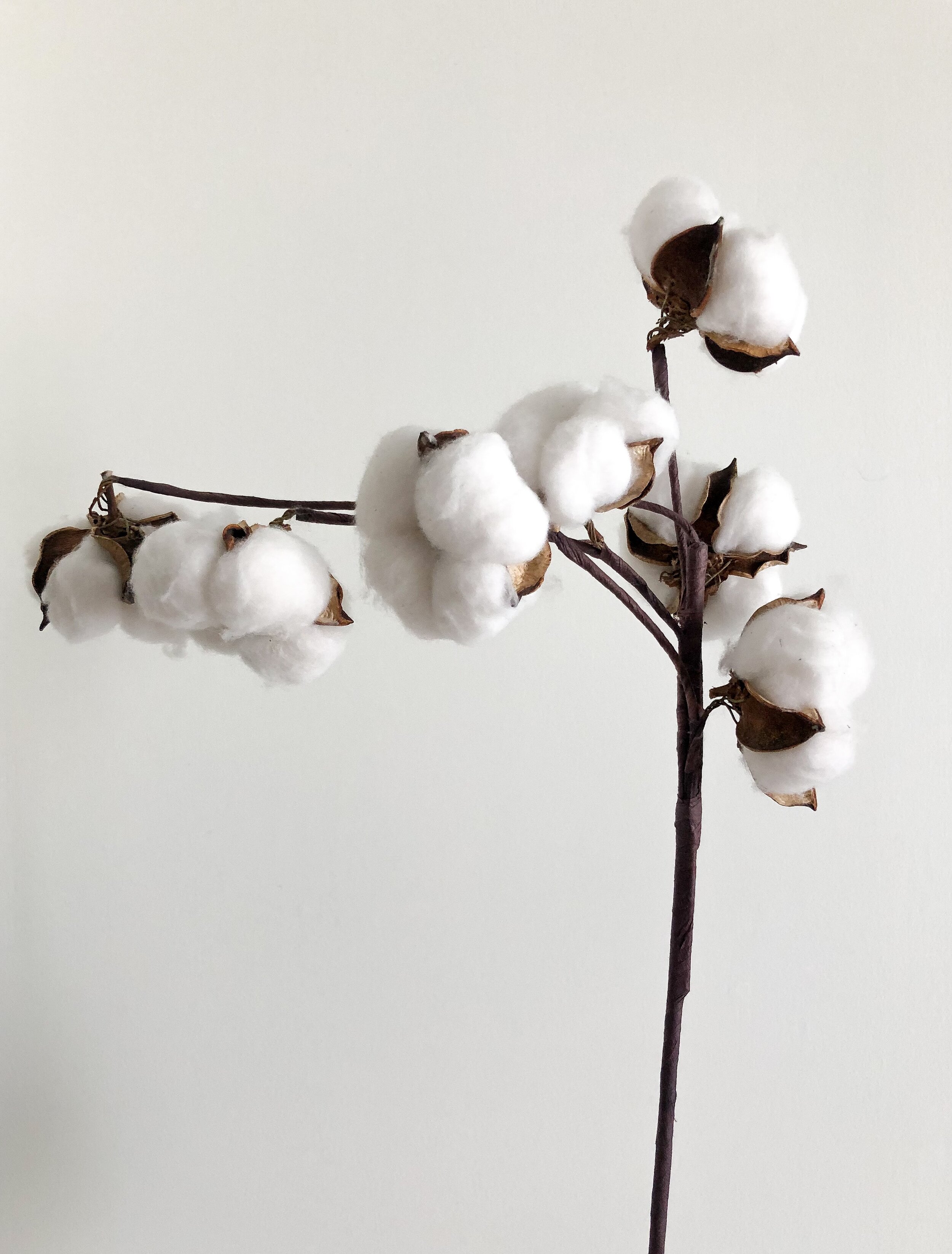
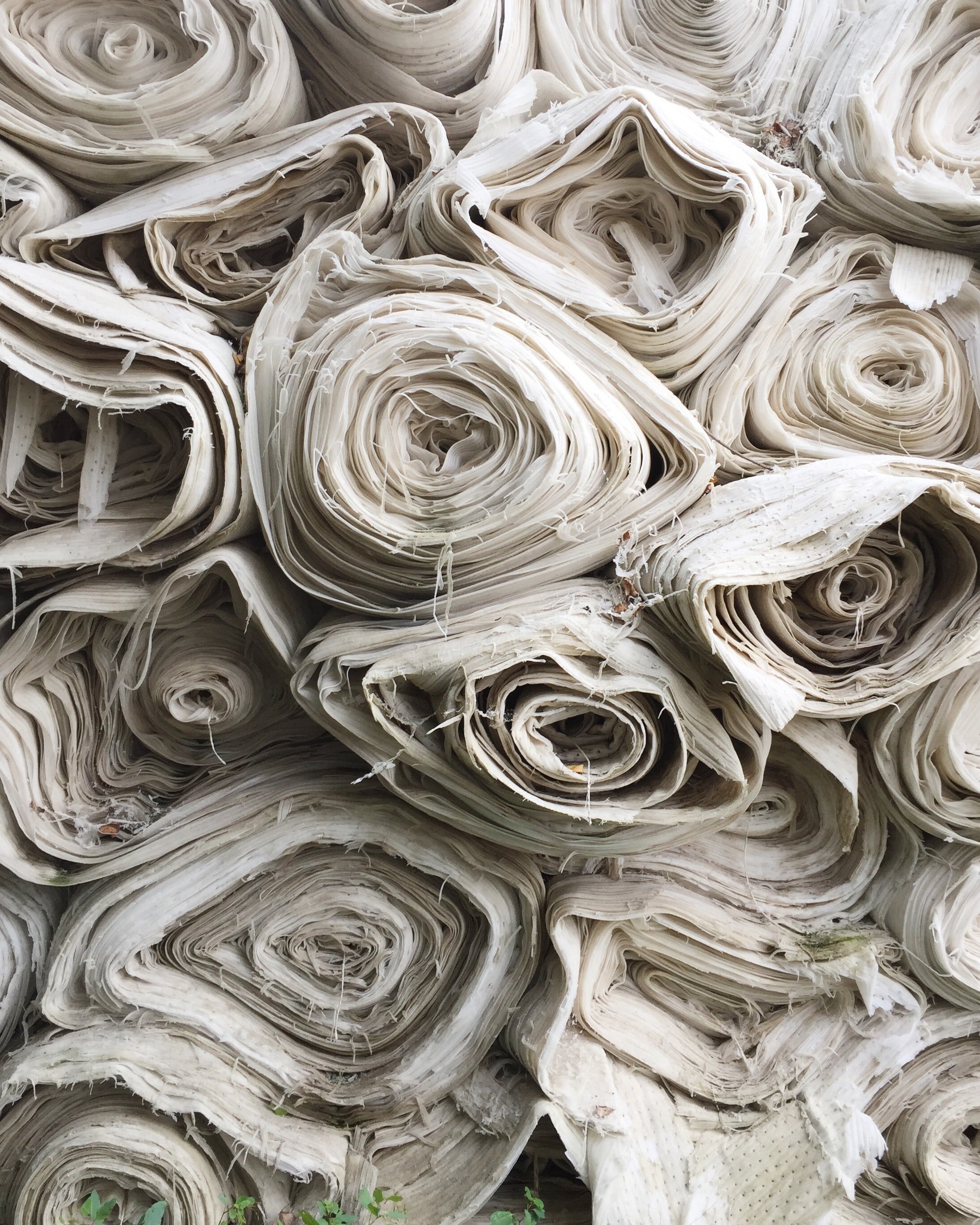
Natural Fabrics May Not Be As Sustainable As You Think
Natural fabrics such as cotton, silk, hemp, wool are considered by some as better for the planet because synthetic fibres are not only mand-made but they are derived from the petro-chemical industry. Natural fibres are by nature (excuse the pun) biodegradable, however, natural fibres must be grown, taking away precious arable land needed for food, often from the poorest regions. Growing natural fibres also uses up water, depriving people who require it for drinking, washing and growing food.
The Aral Sea was once the 4th largest lake in the world, however, cotton farming which started in the region in the 1950s has led to desertification - decimating the economy which relied on fishing. Cotton has also been linked to issues of forced labour in countries such as Uzbekistan, Azerbaijan, Turkmenistan, Tajikistan and Xinjiang. The latter, a province in China which produces over 80% of Chinese cotton fibre.
Man-made fibres, although manufactured, are made from natural materials, sometimes from waste sources such as wood pulp, a bi-product of the furniture industry. These credentials make man-made fibres a sustainable option. When you factor in land, water resources and chemicals used in the process of producing the fibre into textiles, then natural fibres may not always be the most sustainable. Some man-made products e.g. TENCEL™ by Lenzig, allegedly only uses material from sustainably managed plantations which are certified by the US government. The company’s REFIBRA™ is a closed loop process which means the textiles can be recycled to create new fibres. Closed loop design allows for materials to be taken back after the consumer disposes of the item, known as post-consumer waste and remade into new fibres.
Can Synthetic Fibres Be Sustainable?
Synthetic fibres are manufactured through chemical processes, using derivatives from the oil industry. Polyester and nylon are probably some of the most famous examples of synthetic fibres. Some synthetic fibres are considered sustainable because even though they were once petro-chemical based, they are made by re-using discarded fabrics, fishing nets and other textile waste that would end up in landfill. Econyl® for example is post-consumer waste fabric, recycled to create a new fibre which can be used for many types of products. From accessories such as sunglasses and handbags, to interiors. Econyl® has also become popular for swimwear and activewear. It is also considered circular because the raw material has polymers that can be chemically broken down and reassembled back into nylon.
The Problem with Microfibres
Unfortunately, synthetic fibres are not quite the sustainable option the industry was hoping for. Tiny plastic microfibers have been found in the ocean, snow and even aquatic life. Microfibres are tiny strands (which cannot be seen with the naked eye), released from synthetic fabrics like polyester. According to Greenpeace 700,000 fibres are released with each wash and up to 30% of ocean pollution is at a microscopic level.
Is Circular Design The Answer?
Circular design is an important framework to create sustainability in fashion, as the premise considers end-use at the design stage. By incorporating circular design into the product development process, designers consider raw materials as a finite assets that should not be discarded but reused for as long as possible. The circular design model is the diametric opposite to a linear model because it keeps products out of landfill. Designers choose materials that don’t impact the environment and can be recycled. Closed loop design is part of a wider framework of Circular Design.
Choosing sustainable fabrics is a complex process which needs some time and consideration since no fabric is 100% sustainable. Fashion businesses must consider many variables before making the best choice.
Get in touch if you would like advice, attend a workshop or want to know more anisa@anisajohnny.com
Areas of expertise: Fashion Educator I Sustainability I Branding I Social Entrepreneurship
Podcast: Fashion Hub Singapore
Connect: Linkedin
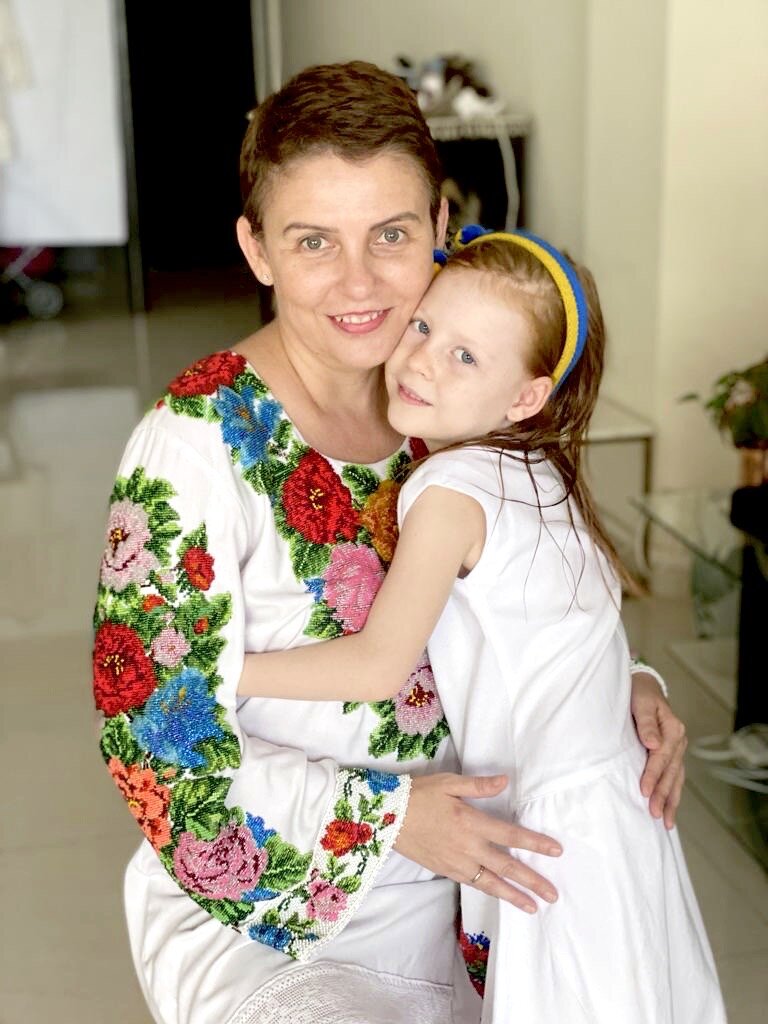
Clarifying Brand Meaning & Finding A Passion For Sustainability
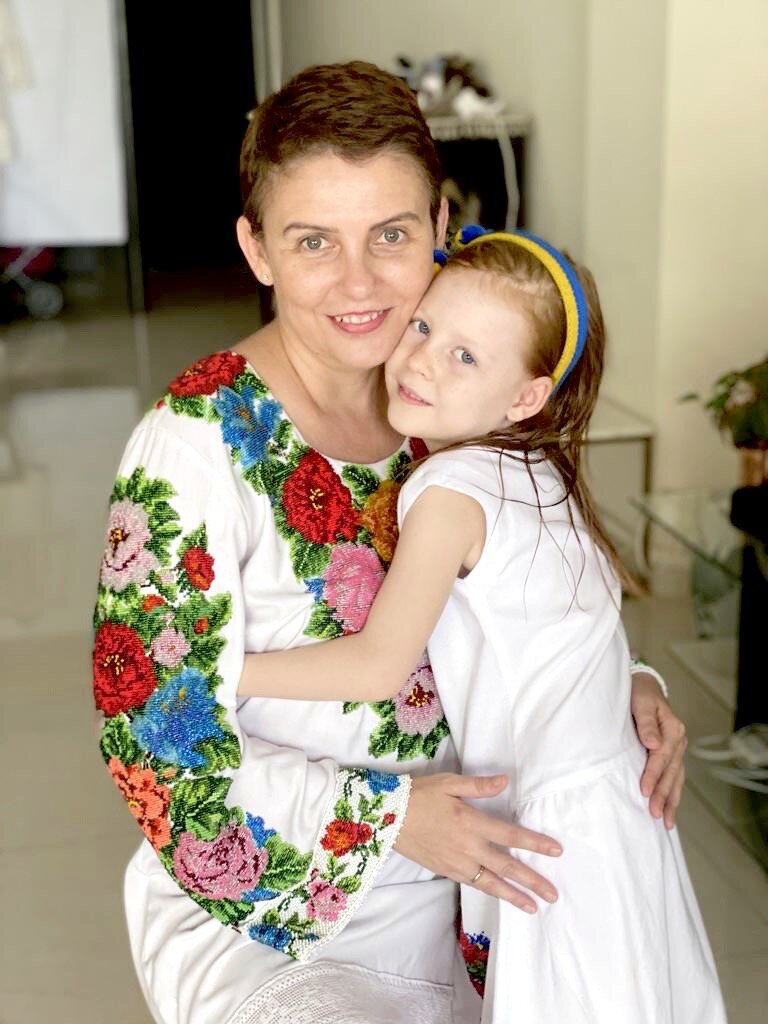
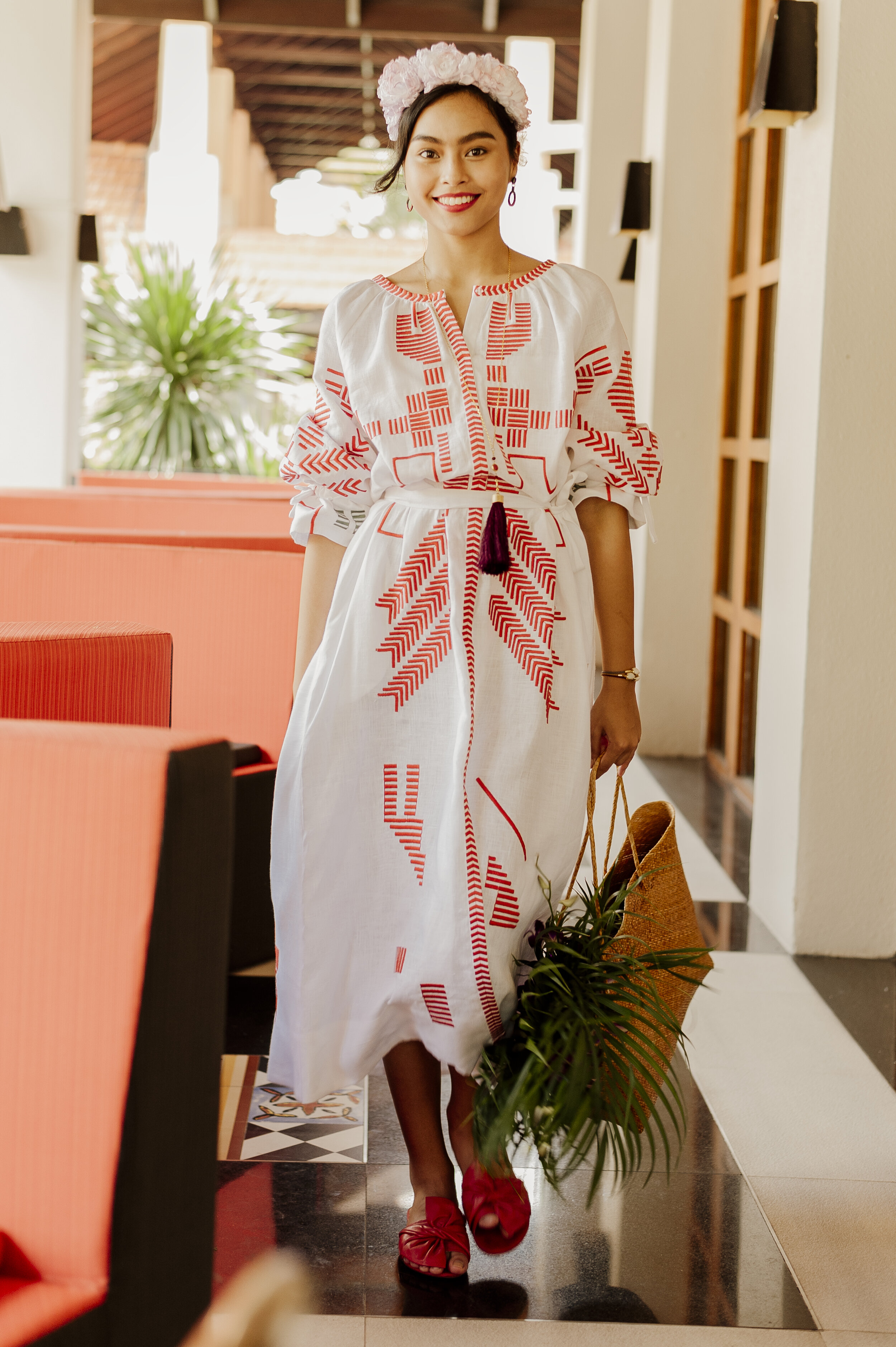
I have taught fashion entrepreneurship as a topic for over 7 years. Its easy to focus on the theory and forget that some brands are not about problems and solutions but they are about passion and serendipity. Nadia Bremner, founder of Bravo Collection is the perfect example. Finding herself in Asia, she created a brand inspired by her interest in craft and found her passion for supporting traditional Ukrainian heritage. When Nadia took part in a branding workshop, I immediately fell in love with her collection and we discovered our shared interests in textiles and slow fashion. Nadia’s objective was to take the time to clarify her brand meaning and develop a brand strategy, which led to a photo shoot collaboration. I spoke to her to find out more about her wonderful journey from a corporate role in compliance and financial management for multi-nationals, to managing a sustainable brand. I am excited to see how her journey in fashion sustainability will continue.
1. You had a brand before Bravo Collection and before moving to Singapore, how did that come about:
When I lived in Shanghai and had a corporate job (in compliance) , I was also fascinated with Chinese furniture and crafts. Together with a friend we had a hobby of making jewellery with carved jade, based on Feng Shui and it turned into a small business, which I brought to Singapore.
2. What made you start Bravo Collection:
I saw a potential interest here, in Singapore for linen embroidered clothes, that are native to my home country Ukraine. Singapore has a great mix of cultures and linen is perfect for this [tropical] weather.
3. Why linen fabric and embroidery? - what should we know about the process as consumers?
Linen is one of the most sustainable fabrics in the world - it has very little impact on the environment and is durable and breathable. Embroidery is present in many cultures as it adds a unique touch to clothes.
4. What is Ukraine like? Why is embroidery an important tradition that people have kept hold of?
Ukraine is a beautiful country, finding its place in the modern world. Traditionally embroidered clothes are worn to weddings and religious celebrations. Many Ukrainian designers started using traditional embroidery in their collections. It became very popular world-wide and received a new life.
5. Tell us about your artisans, what’s their profile and what are they like?
Many of the artisans that I work with live in the Carpathian Mountains. They are very skilled, but often embroidery is the only way for them to earn money, as the region is not developed and there are not many jobs available. The idea of creating jobs and giving back to Ukraine is another reason why I started Bravo Collection. I also work with young local designers, who are very creative, skilled and business oriented - they have well organized production and are easy to deal with. So it's a mixture of old and new, and I really enjoy it.
6. What is your brand about, tell us your brand story and how you resolved it after the branding workshop session?
Bravo Collection is all about slow fashion- using only natural linen fabrics ( linen is locally grown in Ukraine and Belarus) and hand-made embroidery, using traditional methods. Promoting these beautiful garments which are breathable and perfect for the summer is our mission. The workshop session has helped us to shape as a recognizable brand and to identify direction, form and vision. It also gave us tools for marketing and branding. We are really grateful for the opportunity to work with Anisa and Kevin [the photographer] for our campaign shoot.
7. What is your hope for your brand?
We hope to expand and sell in all countries of South East Asia and Australia by educating people, that slow fashion and wearing linen in particular is the way forward.
Nadia Bremner
Founder Bravo Collection
Follow the brand on Instagram @bravocollectionsg

What Does Fashion Mean In The Post-Virus World?

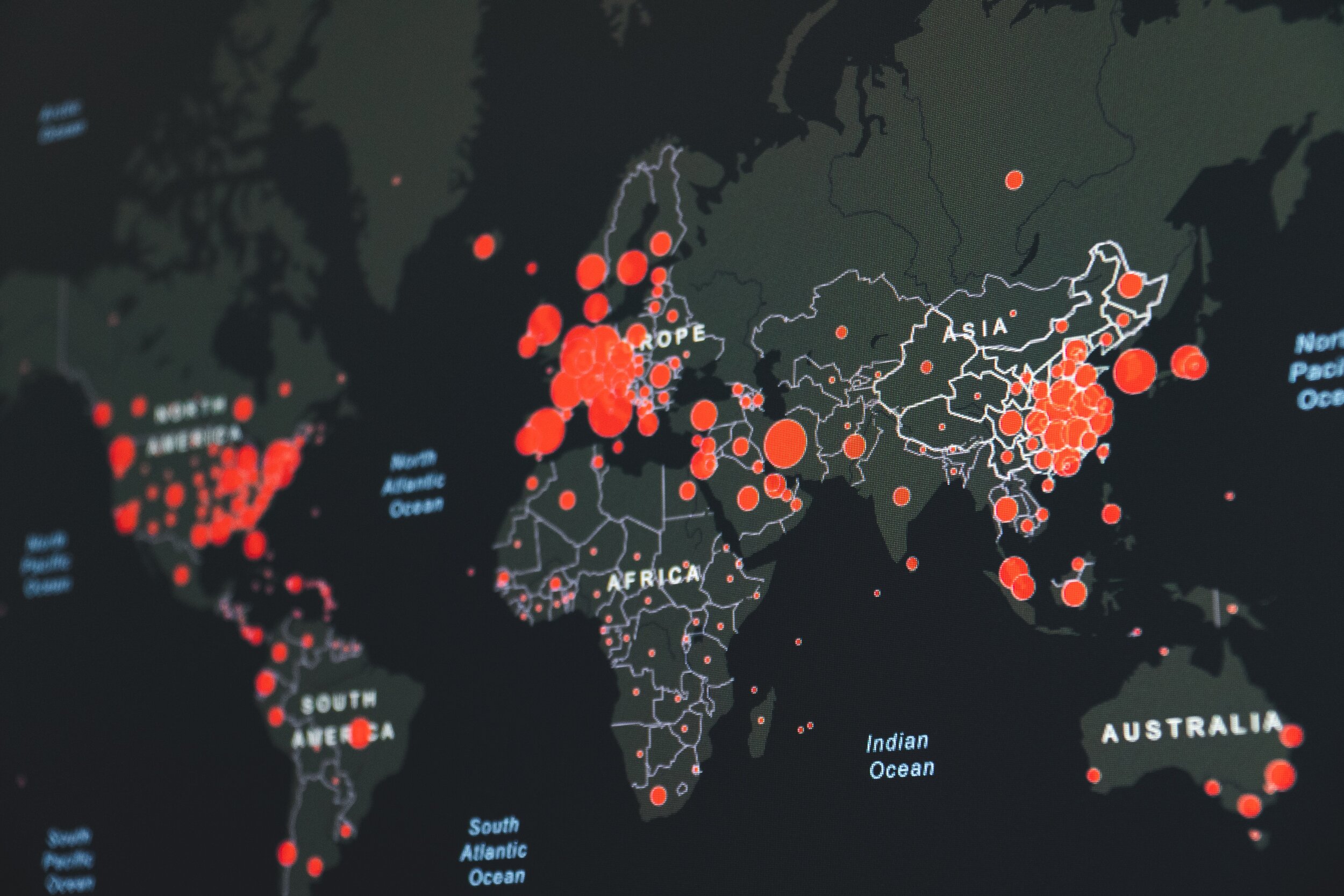
Coco Chanel once quipped: ‘fashion changes: style remains’. That may be true but there’s no denying that the Covid-19 virus will change fashion; just as it has everything else. For one thing, the pandemic has brought home that fashion is not a necessity. Those in the industry (myself included) were slightly taken aback that, when forced to stay home, the average person preferred pajamas and sweatpants. Meanwhile, those 50 pairs of designer shoes in the walk-in closet gathered dust. In early 2020, during the height of the pandemic the fashion industry had a much needed reality check, as consumers stopped spending on non-essentials and fashion brands became bankruptcy casualties.
According to an online article by the BBC, clothing sales plummeted by 34%. Admittedly, some of the fashion brands who shuttered their doors had been suffering for years, from either a lack of cultural relevance, fierce competition, increasing business costs or falling margins. As a result, the virus and its associated global lockdown hastened these brand’s demise. By June 2020, Cath Kidson, Debenhams (a UK Department store), Victoria Secret UK, Antler (a UK luggage brand established in 1914), Oasis & Warehouse Group, Laura Ashley, LK Bennett (a premium shoe brand) went into administration. In the US, JCPenney, J. Crew and Neiman Marcus have all sought bankruptcy or administration protection.
As the weeks passed and people adjusted to the new normal, interesting trends started to emerge. Fashion brands reported an increase in sales for comfortable stay-at-home clothes, activewear and self-care products like cosmetics and skin care. Browns, a luxury niche department store on London’s Bond Street, reported a 78% increase in loungewear. Which was expected. Less predictably, fine jewellery sales also peaked as people adjusted to life indoors - assumedly by wanting to look their best for online meetings. Accessorizing became about the neck up and Fashionista.com reported that online luxury e-tailer Modaoperandi.com had a 35% year-on-year increase in sales of fine jewellery. On the same website the search for ‘sweats’ and ‘sweatpants’ increased by 50 and 85%.
Clothing: As Old As Humanity
Consumer behaviour is usually fairly predictable. Thus, consumers buying casual clothes and bling was confusing to say the least. For the first time in my career in fashion, spanning over 15 years, I was at a loss to explain those figures' relevance. A discussion with a student interested in psychology reminded me of a class I used to teach on the social psychology of fashion. What does fashion actually mean and why do we wear clothes at all; and how this might explain behaviour in the context of the pandemic? As we all know clothing is as old as humanity. Mankind has worn clothes for protection from the physical environment - either cotton kaftans to keep cool or wool, leather and fur to stay warm. The oldest item of clothing known is the Tarkhan Dress, made of linen. The dress was found in Egypt and is said to be a staggering 5,000 years old. Can you imagine an item made today lasting that long?
Clothing For Physical & Psychological Protection
Some cultures use fashion for psychological protection by wearing adornments to guard against bad spirits or to bring good luck. Gems and natural stones are supposedly imbued with properties that give their wearer luck or protection. And even in our digitally advanced world, people use crystals, amulets and symbols for their special powers. Our relationship with clothes is inextricably linked with our world view and culture.
Clothing & Conformity
Cultural dress can express belonging to a nation, region, or tribe. Western dress dominates the world which reflects Western cultural dominance. Have you ever considered why some countries keep a fierce hold of what we now term ‘traditional’ dress and most abandon any sartorial expressions of their cultural identity, except for during festivals and other special occasions? Colonial systems have over time made western dress from Europe (Britain, France, Italy, Spain, Germany) the standard of professional dress. European colonial structures as the dominant political and economic power set those standards which we still adhere to today. To conform and to be progressive or ‘modern,’ most countries abandoned their national costume in favour of Western suits and dresses. Although some would argue Western dress is more practical than ornate or complex traditional garments. Whichever view you subscribe to, it is clear our behaviour and tastes are subtly influenced by the soft power wielded by colonialism and colonial structures.
Clothing For Self Expression & Segregation
Clothing also meets our social cultural needs. How we dress helps us communicate our individuality, therefore fashion can be a tool of self-expression. It is also a powerful signal that we are part of a specific subculture or ‘in crowd’. In the late 90s the Harajuku girl was a much copied and conspicuous part of Tokyo street culture, today we see a decline in fashion subcultures but the Hype-bae girls, Sneakerheads, Goths, Mat Rock, Skaters and Afro Punk subcultures are still evidence of a connection between dress and belonging.
We learn the importance of hierarchy and clothing at a young age. Primary and Secondary education often segregates the general student body from leaders, via different colour uniforms or special “badges of honour”. The latter can be a tie or pin, and double as a means to reward good behaviour. These are revered and fiercely protected within that school community but have no meaning to the rest of the world. Once you graduate and are physically removed from the group the symbolic power dissipates. Some adults are still affected by the colour they were forced to wear at school, avoiding specific colours connected to their school uniform as an adult - since the colour is now connected to a symbol of sartorial oppression.
Clothing for Communication
Whether we avoid brands to show our lack of interest in fashion, or we make bold fashion choices to reflect our character, clothing is communication. To understand the power of clothing to communicate, try wearing an opposing team's colours at a football match or political rally and you will experience the very tangible power behind what we wear. Clothing is a powerful but subtle way to communicate belonging; not just for teenagers seeking to express themselves, or schools looking to motivate students. Dress can also signal ethnic and or religious affiliation. To reflect their ethnicity, Singaporeans choose to wear a sari, kebaya, baju kurung or cheongsam signaling which group they belong to. Clothing is also the most efficient way to signal hierarchy, think of how policemen or guards and servicemen are easily identified by their uniforms.
Clothing Status & Power
Clothing is also used to communicate status and power - how we dress has only become democratic relatively recently. The products we buy are inextricably linked to our income, therefore the rich afford items the masses cannot. Ancient sumptuary laws prevented certain strata of society from wearing a particular colour or type of clothing. Emperor Nero apparently had a woman flogged and her lands confiscated for daring to wear the colour purple at a public event. Tyrian purple was an incredibly expensive cloth worn only by royalty and emperors. The high cost was due to purple dye being in short supply because purple could only be made from a mollusk found in one place - Tyre in modern day Lebanon.
Another rare colour was coccinelle red, made from beetles found in central America. The dye used to make scarlet cloth was costly because thousands of beetles were required to create a small amount of dye. Once chemical dyes were discovered by accident in the 19th century, colour became more democratic and our modern day fashion industry could take shape.
Today the elite still differentiate themselves by their purchasing power. A veblen good is a theory that identifies products that exist, for which demand increases as price increases, due to the exclusivity or signal of status. A good example of this is the French luxury brand Hermes, who’s iconic handbags are carried by Hollywood celebrities and the rich and powerful. Iconic items such as their Kelly bag, named after Princess Grace Kelly, an early patron, cannot be bought by just anyone. Other styles must be purchased in order to be deemed worthy of the house’s signature products. Customers must establish themselves as loyal by buying other products before being offered a Kelly. As a result a Kelly bag is a badge of honour for the wealthy.
The Rich & The Super Rich
The wealthy also fall into different groups; Old Money, New Rich and Aspirers. Patricians who have inherited wealth are likely to shy away from conspicuous consumption and choose products that subtly signal belonging to an elite group (since only insiders know the codes and the discrete brands connected with them). Patricians or ‘old money’ choose these ‘stealth wealth’ brands specifically to separate themselves from the New Rich. Whereas the New Rich and Aspirers may be more obvious with their choices: they want the world to know they can afford to wear a luxury watch or brand.
The 21st Century Rich
New groups have emerged who have wealth but choose brands that are different from the previous generations. The creative elite (think architects, designers) and technocrats (start up community and tech-preneurs), avoid the old symbols and trappings of wealth and status to create their own group codes. A trend since the early 2000s, which has been coined ‘norm core’, is a style of clothing synonymous with the urban elite who wish to express a change in lifestyle and interests from the old vanguard. Norm core garments are simple, unpretentious of the best quality and can be worn season after season.
Prices may be exorbitant but only an insider will recognize the subtle differences between a high street garment and a luxury basic. Some successful ‘Millennial’ brands have tapped into this change in culture, creating codes which are recognized and sought after by a new generation of consumers with spending power. From sneakers replacing heels, to genderless clothing - to sustainability and timeless colours, like black, white and grey (the latter much-loved by norm core fans) - this shift in taste cannot be ignored by brands. The new elite and the brands they support prefer casual over the formal, are concerned with emotional and physical well being, are tech-savvy and have a desire for transparency and dialogue between brand and consumer.
Fashion and The Beauty Ideal
Connected to the issue of elite power is representation. The fashion system creates artefacts that become part of popular culture. As such, fashion brands have a unique power to become the arbiter of taste, via the images they communicate in fashion photography, storefronts and marketing campaigns. The industry is notorious for favouring able-bodied, thin, Caucasian models. In Asia, brands use models of Western or Eurasian descent to communicate quality and international cache. However, the global trend for more diversity has seen the industry bow to pressure from Millennials. Who expect inclusion, be it for disability, race or gender. Furthermore, they are questioning traditional beauty ideals, delving into the complexity of race and gender in the Asian context.
Clothing & Commerce
While clothing is undeniably an expression of culture, often with deep symbolic meaning, critics argue that fashion these days is primarily about profit. Indeed, fashion is the 4th biggest industry in the world and is thus vital to the economic interests of entire nations; providing jobs and Foreign Direct Investment opportunities (FDI). The dominant Western system of commercialization has led to the industrialization and marketing of fashion products through a powerful media system. Fashion masquerading as culture is propagated by elites who own corporations. And those same corporations control fashion brands and the media companies who together promote constantly changing trends.
Fashion, Economic Systems and Class
The current fashion system rejects durability over constant novelty. Since fashion is a way to belong and stand out, that novelty-chasing system leads to consumerism and status anxiety as consumers are desperate to keep up. Class differentiation theory sees fashion as a tool of capitalism. The fashion industry is a continuum: haute couture and luxury brands for the elite at one end, mass market brands for the masses at the other. However, it is the elites - via a complex system of brands and media - who set the trends, which then trickle down to influence the masses.
This continuous replenishment cycle at the very bottom of the scale has led to the fast fashion model replicating the styles set by international luxury brands for those on lower incomes. With devastating impact on the environment, contributing to waste and other issues for which society bears the burden. Fashion and trends are so inextricably linked, Marxist feminist's critique of the industry, propose that the current system affects mostly females with low incomes, who are forever trapped in a cycle attempting to keep up with trends that will constantly change.
Clothing & Celebrity
Ordinary people aspiring to be like their celebrity heroes is not new. Hollywood actors in the 1920s promoted products just as they do today. Fashion history also reveals that fashion trends were set by European Royal Courts as far back as the 15th century. By the 18th century, France was at the centre of fashion. Fashion dolls copying the latest trends at the French court were sent around the world as the first means of communicating what was considered fashionable. Today technology has led to micro-influencers becoming the new celebrities. While access to cheap wi-fi and affordable smartphones propagates the Western ideal of beauty around the world.
The most popular influencers with more followers than entire countries are once again mainly rich, white, able-bodied with the resources to keep up with the fashion cycle. This access to new products is based on their ability to influence others to purchase industrialized fashion products creating a never ending loop. Some argue technology has allowed influencers from different income groups, ethnic backgrounds and niche tastes access to media. By using social media more democratic and diverse voices are given a chance to influence the fashion discourse.
Fashion's Symbolic Meaning
Even if you ignore the importance of fashion, the fact remains we are what we buy. If you purchase certain fashion garments you are participating in a system that perpetuates status anxiety and excludes the poor. Whether at a supply chain level, where fast fashion brands pay workers below minimum wage to support the low price; or a luxury brand that is out of reach of the masses. It is no surprise that luxury brands have avoided the African continent and only relatively recently opened their doors in Asia. Criticism of the current fashion system highlights the connection between fashion and media’s influence, creating cultural imperialism and perpetuating western beauty ideals.
Mindful Consumption
The traditional system of fashion is being questioned not just for its function and role that fashion plays, but also how it impacts society. If we are to understand the complex layers that comprise the fashion industry, we first need to understand our relationship with the brands we buy. A consumer can choose a brand without peeking behind the veil recently torn down by global connectivity, fueled by social media. Once consumers become informed there has been an increased trend towards the selection of brands that are sustainable, local or supporting a worthy cause or with an inspirational founder.
Brand’s leveraging Millennials' interest in sustainability, diversity and transparency has led to new startups inspired by mindful consumption over mindless shopping. Anti-consumerism in the USA and Europe has resulted in middle-class urbanites rejecting the mass market for handmade artisanal, small-batch or slow-produced food, fashion, skin care and other lifestyle products. These brands are more accessible and offer a peak into their operations, often relying on a media-savvy founder giving more glimpses of the inside workings of the company.
This backlash to mass consumption created international conglomerates, started before the virus; mainly in urban creative and technology hubs. When consumers, driven by the 2008 financial crash started reconsidering their relationship with things they owned. And indeed with consumption itself. The virus has amplified the voices of those calling for change within the fashion industry. Questioning consumerist culture is not new, but the lens is truly in focus since lock down. Post virus, many brand’s fate will be hanging in the balance. Their likelihood to succeed or fail depends on consumers' support: not just by liking their Instagram page, but by purchasing their product or service. Choosing which brands get your money can be the most mindful thing you do today. So choose wisely.
Get in touch to find out more anisa@anisajohnny.com
Areas of expertise: Fashion Educator I Sustainability I Branding I Social Entrepreneurship
Podcast: Fashion Hub Singapore
Connect: Linkedin

How To Start A Social Enterprise
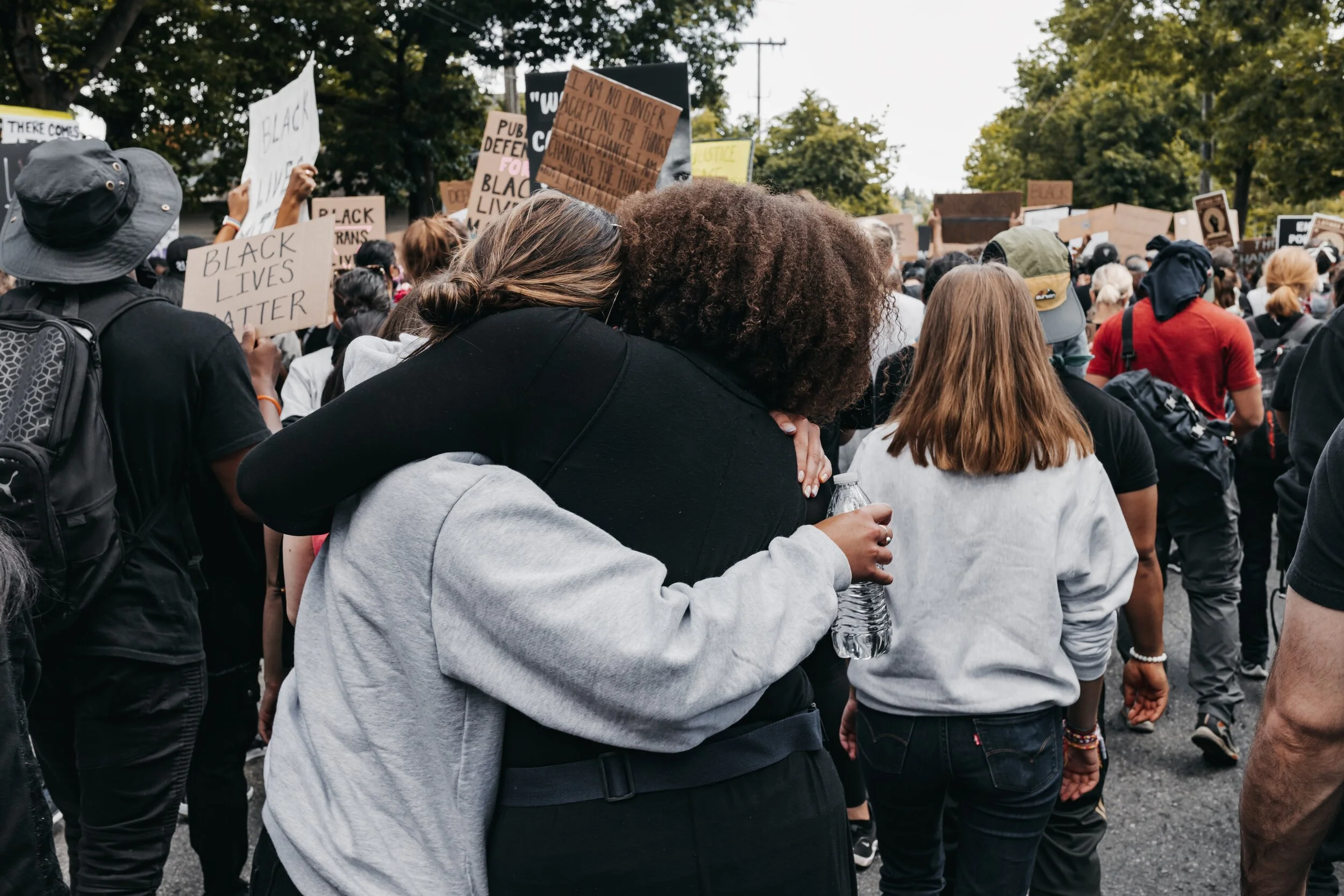
Before we dive into the 4 steps, allow me to provide some background. A Social Enterprise is a business with an objective to create social impact - which means to contribute to society in a positive way. The idea that a business should exist not just to make profit, but to also consider people and the planet, is not a new one. In the UK, before the welfare state existed, many schools and hospitals were set up as nonprofits to provide education or healthcare for the poor. Today, governments have officially recognized organizations that are neither charities or commercial businesses. Thus allowing entities to exist that straddle both domains; usually in areas where low-profit margins fail to attract commercial companies, or in physically hard-to-reach or dangerous locations.
A Social Enterprise can exist ‘for profit’ or ‘not for profit’. What both share in common is the aim to solve a specific problem for society. A ‘for profit’ Social Enterprise seeks to make a profit, but ploughs it back into the company, whereas a ‘not for profit’ exists for the sole purpose of meeting a specific social goal to improve society. Using the latter model, since profit is not the main goal, success is measured by the impact on beneficiaries or tackling those specific social issues.
I’m sure you’re probably eager to hear about those 4 steps I promised. So let’s dive in...
Step 1 - Identify the Social Problem
Step 2 - Research & Position Your Social Enterprise
Step 3 - Create Your Brand
Step 4 - Market your social enterprise
1. Identify The Social Problem
Before you start your Social Enterprise you need to identify the problem you want to solve. This must take into account the impact you hope to make, and which group(s) of people your Social Enterprise will assist.
A good tip is to write down your social objective through a Mission & Vision Statement or a Memorandum of Association. While this may sound a bit formal, it really does help. Why? Because you’ll have a written document that explains to all stakeholders how the Social Enterprise is different from other businesses - and the beneficiaries the company sets out to help. Additionally, it should clarify in your mind whether the organization is for profit or not for profit.
I’ve seen for myself the importance of specifying an organization's social objective. Shortly after founding a social enterprise, it became obvious that demand for our services outstripped supply. Thankfully we already had a clear social objective: to support single mothers, with children living at home under 18.
Having a well-defined mission also ensures your impact is easily measurable. How many people you help should be tracked and shared with stakeholders. Therefore clarifying who your beneficiaries are, and what makes them eligible, is vital. Moreover, it will also help you get support from governments and foundations. For example, some foundations only work with women or within education. Some government grant schemes are only for the elderly or those with disabilities, whereas some governments will not entertain religious organizations.
2. Research & Position Your Social Enterprise
Whether you are a non-profit or for-profit, your Social Enterprise needs to be self-sustaining. Therefore, just like any business, you need to do some research before launch. For instance, you have to find out if other charities, foundations, and Social Enterprises are already meeting the social issue you plan to tackle. If this is the case, then you might be wise to focus on other areas or different types of beneficiaries not already covered. You may even want to consider a partnership with similar entities.
If research data is hard to find, check government statistics or organizations working in that area. When researching our Social Enterprise we used a report by the Lien Foundation for Social Innovation to identify the number of single households headed by women with low incomes.
Next, prepare a Feasibility Analysis on the long-term success prospects of your enterprise. This should address the organizational capacity and internal skills required to make the enterprise prosper. In addition, it will help you identify important trends in the category, from demand, to promotion and distribution methods required. The outcome is to prove the business model is practicable given the market variables.
Ensuring there is a demand for the service or product you aim to supply is especially important if you are launching a ‘for-profit’ social enterprise. Just like any business, you’ll need clear evidence of ongoing demand and revenue to sustain the enterprise in the long run. And do bear in mind that even though Social Enterprises may have access to government grants or other financial support from charitable foundations, they are usually heavily reliant on members of the public - either through donations or purchasing goods.
If you plan to rely on donations, your social enterprise needs to compete with other entities (charities and social enterprises) for the public’s attention. If you sell a product or service, you compete with other commercial businesses for the same customers. Therefore, your social enterprise needs to be clearly positioned in your target customer’s mind.
A good example of a social enterprise that understands the needs of its consumer is The Nail Social, Singapore - a nail bar with a difference. Their purpose is to provide an income for Single women.
Nail spas are a mass-market service that most lower to upper-middle-class women in Singapore can afford. However, The Nail Social positions itself as a premium service. Delighting it's customers by offering pampering sessions with wine and a personal entertainment monitor (the kind you expect to see inflight) in a clean, modern well-designed environment. The Nail Social’s offer is significantly different from competitors, so much so that it can attract customers looking for a better experience who are willing to pay more for their manicures.
Your market research should also cover the external environmental impact. This is known as a PEST analysis (Political, Economic, Social and Technological). For example, consider the “E”. When the economy is doing badly, potential donors are less likely to support your cause if you are exclusively focused on soliciting donations. However, if you offer them products or services below market rate during a downturn you may well get more interest.
Don’t forget to research how much it will cost to run your social enterprise, whether you make money from donations or sell products & services. There is no such thing as a free lunch. Like any business, it may take time and research to develop financial projections so focus on researching initial startup costs. A business advisor can help you with this.
3. Create Your Brand
I’d need a separate article to cover all aspects of branding, but this overview will help you get started. You need to create a brand with a unique identity that is distinct from competitors. Crucially, your brand identity should be rooted in a single brand message that can be easily communicated to your stakeholders and target customers.
Avoid the temptation to rush off and find the nearest designer to create your logo. Because logos and other visual elements of your brand should only be developed after you have clearly articulated your company’s unique story.
Here’s how we went about developing our brand. From initial research, we discovered that most of our potential customers only had a vague idea of what a social enterprise was and most certainly had no idea what a ‘marginalized’ woman was. As a result, we simplified our brand message to ‘A Social Enterprise Helping Single Mums’ and created a tagline: ‘Feel Good Jewellery’ which is self-explanatory. We tested that brand message and found many women wanted to understand the impact of what we did. Therefore we adapted our brand message again to “40% of your purchase helps Single Mums.”
Only after we had established our brand message did we brief a graphic designer to create a logo. In addition to the brand message, we also shared our objectives, brand values and differentiation from other organizations. All of this information helped the designer create our logo, select the right fonts, develop a colour palette and consolidate all these design elements into the right “look and feel” for our social enterprise.
To give you another example of social enterprise branding, consider Tom’s shoes created to donate a shoe to a child for every shoe purchased. The logo is easily recognizable in blue and white with ‘Toms’ written in the middle - which is short for ‘Tomorrow's Shoes’. This logo is inspired by the Argentinian flag which reflects the story behind the founding of the brand by Blake Mycoskie. Whilst traveling in Argentina in 2006, he saw firsthand the hardship many children faced without shoes. Inspiring him to create a for-profit social enterprise to supply shoes to children. The innovative idea has led to 100 million pairs of shoes being donated.
4. Develop a Communications Plan For Your Social Enterprise
It’s vital that you market your social enterprise via the most appropriate media channels, so that you can reach your stakeholders in a cost-effective way.
For example, creating a word-of-mouth campaign on social media can be a low-cost alternative to spending on advertising. Toms Shoes did just that; spurring customers to go one day without shoes and using the hashtag #withoutshoes. The last annual #withoutshoes in 2016 was so successful that over 27,000 shoes were donated in one day.
Of course, there’s no guarantee that a word-of-mouth campaign will go viral, therefore you should also use Social Media to deliver a mixture of free content of value, as well as paid-for branded content. Facebook, Instagram, and even LinkedIn can be used this way.
Don’t limit yourself to Social Media though. Think of all the media your potential target market reads, places they visit or online platforms they interact with on a daily basis, and plan an advertising strategy based on how far your budget will stretch.
PR has a role to play too. You should aim to get free editorial coverage if you have something that is PR-worthy. But do cultivate relationships with the publications first. Or if you have a product, develop a giveaway competition - online editions of magazines can often be receptive to such collaborations.
Promotions that encourage a call to action or will move consumers towards taking a step to find out more about your social enterprise - such as visiting a store or website or making a purchase - are important and should be given priority. Your promotional strategy should fit your brand positioning and brand message. For example, consumers may become suspicious of a social enterprise that is always pushing discounts. That’s because people often support social brands for altruistic purposes, thus ‘hard sell’ discounts may jar with them. Instead, expertly-timed discounts linked with special events or festivals would be more appropriate.
Now that you understand the 4 key steps, I hope you’ll find them useful when you take the plunge and launch your Social Enterprise. If you need any tips or want to run the idea by someone I’ll be happy to take a call. Good luck!
To find out more about what I do email me anisa@anisajohnny.com
Areas of expertise: Fashion Educator I Sustainability I Branding I Social Entrepreneurship
Podcast: Fashion Hub Singapore
Connect: Linkedin

Effective Marketing Communications For Fashion, Beauty & Lifestyle Brands
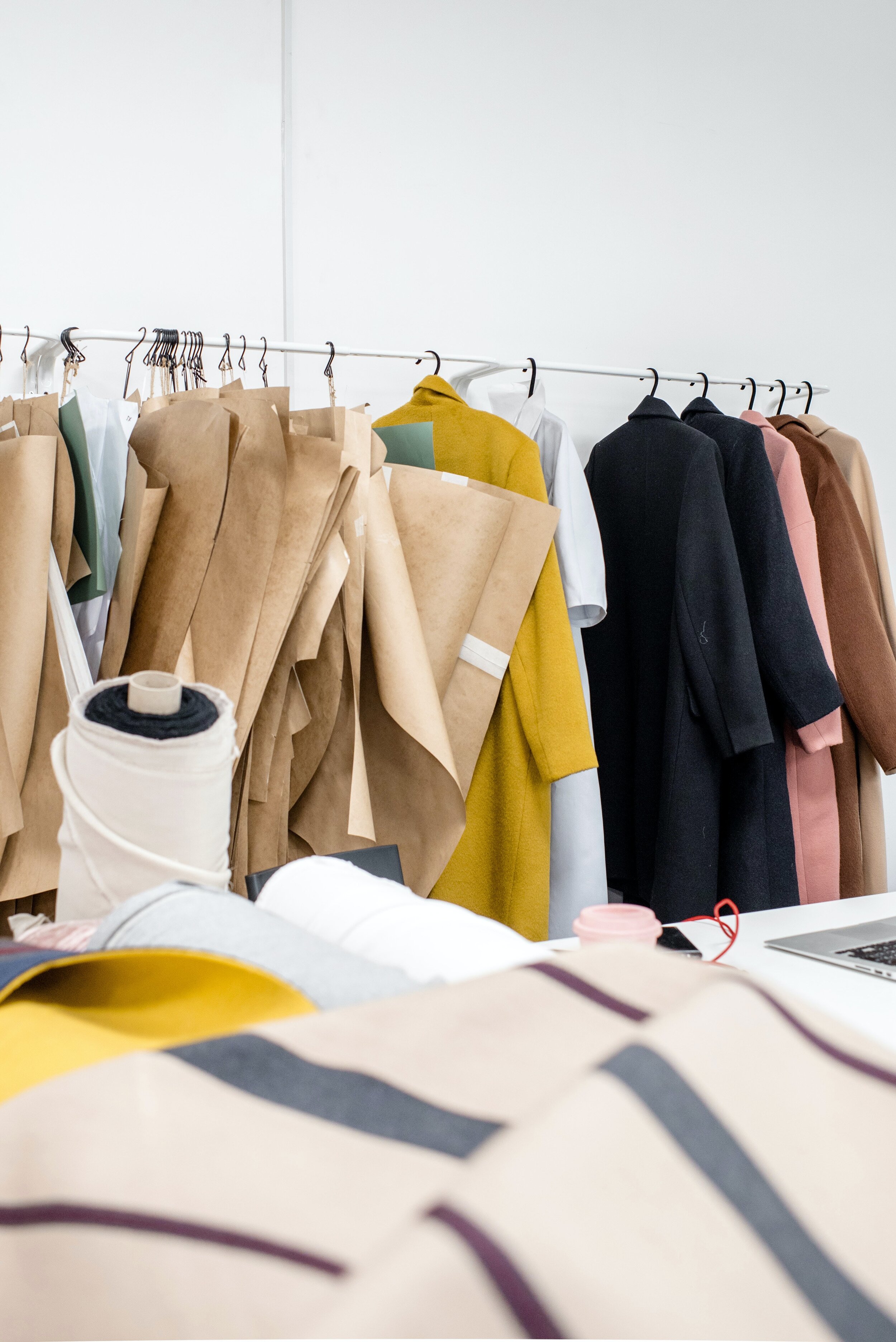
The first mistake fashion brands make is they don’t have a single brand message; or what a marketer would describe as a ‘differentiated offer’ i.e. a reason why a consumer should buy their product over another brand.
Unfortunately consumers are fickle and they are busy going about their daily lives. If you want them to take notice of your brand tell them what you offer and keep it simple. If you keep things simple, creative or intelligent and inspiring they may reward you with their attention.
When you solve a customer’s problem they will be even more likely to take notice. The first step of marketing communications is to have a single brand message that enough customers care about. Your brand message can be implicit (understood through strong visuals) or explicit (with a slogan that spells things out). Only after you have clarified your brand message, can you start thinking about marketing communication.
These days to cut through the noise your brand message has to be communicated 360 degrees at every consumer touch point. In the case of a brand like Nike, who’ve spent billions of dollars communicating their brand message - they have the budget to use print, their store environment, TV, product placement, brand ambassadors, event sponsorship and more recently a plethora of online platforms. Whether like Nike you have a million dollar budget or you have a modest budget, before developing marketing communications first think about what you want your consumer to understand about your brand. Then choose the correct media to target your market nice and put your advertising dollars behind those identified platforms.
If customers are digitally savvy and spend time on social media deliver them a mixture of free content of value and branded paid for content. If they read fashion magazines and blogs, try to research the most cost effective way of advertising using these platforms. Whether it is free editorial coverage if you have something that is PR worthy and a friendly journalist is willing to cover your story, or a collaboration on a giveaway / competition. Magazines, especially the online editions, may be open to such collaborations. Think of all the media your potential target market consumes, places they visit, or platforms they interact with on a daily basis and plan an advertising strategy based on how far your budget will stretch. Think customer, product, margin and cost in order to select the right medium.
Promotion encourages is an easy way to develop a ‘call to action’ strategy. These are tools to move your target market to take the first step towards either finding out more about the brand, visiting a store or website, or making a purchase. Call to actions are often forgotten but are critical to success so that they should be given time and consideration.
Your promotional strategy should fit your brand positioning and brand message. For example, your customers may expect lots of discounts from an online store selling affordable fashion. Those same customers may become suspicious of a Social Enterprise that is always pushing discounts.
Why? Some people support social brands for altruistic purposes, they want to feel good by giving back, so hard sell discounts may not go down well with this customer segment. Instead, expertly timed discounts or promotions such as free shipping or gift with purchase, linked with special events or festivals would be more appropriate. Promotions that encourage customers to tell their friends, buy more than one product or try your product for the first time are also critical to your strategy’s success when you launch.
Even in the era of digital marketing more and more customer's expect branded experiences these days, so they are central to your brand’s success. These are real world events that can bring your brand to life by demonstrating your brand message in a tangible way. Giving customers a chance to interact with your company, not just from a product perspective but offering a chance to immerse themselves in your brand story in the physical world, can be a great opportunity for customers to experience and test merchandise and understand your brand values.
Joseph Pine and James Gilmore’s Experience Economy model is a framework that explains the different ways you can create memorable events for your customers that adds value to your brand. The dimensions include creating events that Educate, Entertain, or events that are Aesthetic or Escapist. Workshops, seminars, talks with experts, meet and greet sessions with brand ambassadors are all branded experiences that can help you connect with your customers. Of course these experiences should all leverage customers love of posting on Instagram so make sure you make it easier for people to share your content or give them a 'grammable' spot in the real world.
If you would like to know about creating an integrated marketing strategy for your brand get in touch!
I host monthly workshops that are budget friendly and suitable for new businesses testing the waters or arrange a one-to-one advice sessions starting with a complimentary 20 minute online call.
Get in touch anisa@anisajohnny.com
Areas of expertise: Fashion Educator I Sustainability I Branding I Social Entrepreneurship
Podcast: Fashion Hub Singapore
Connect: Linkedin

How To Create An Authentic Fashion Brand
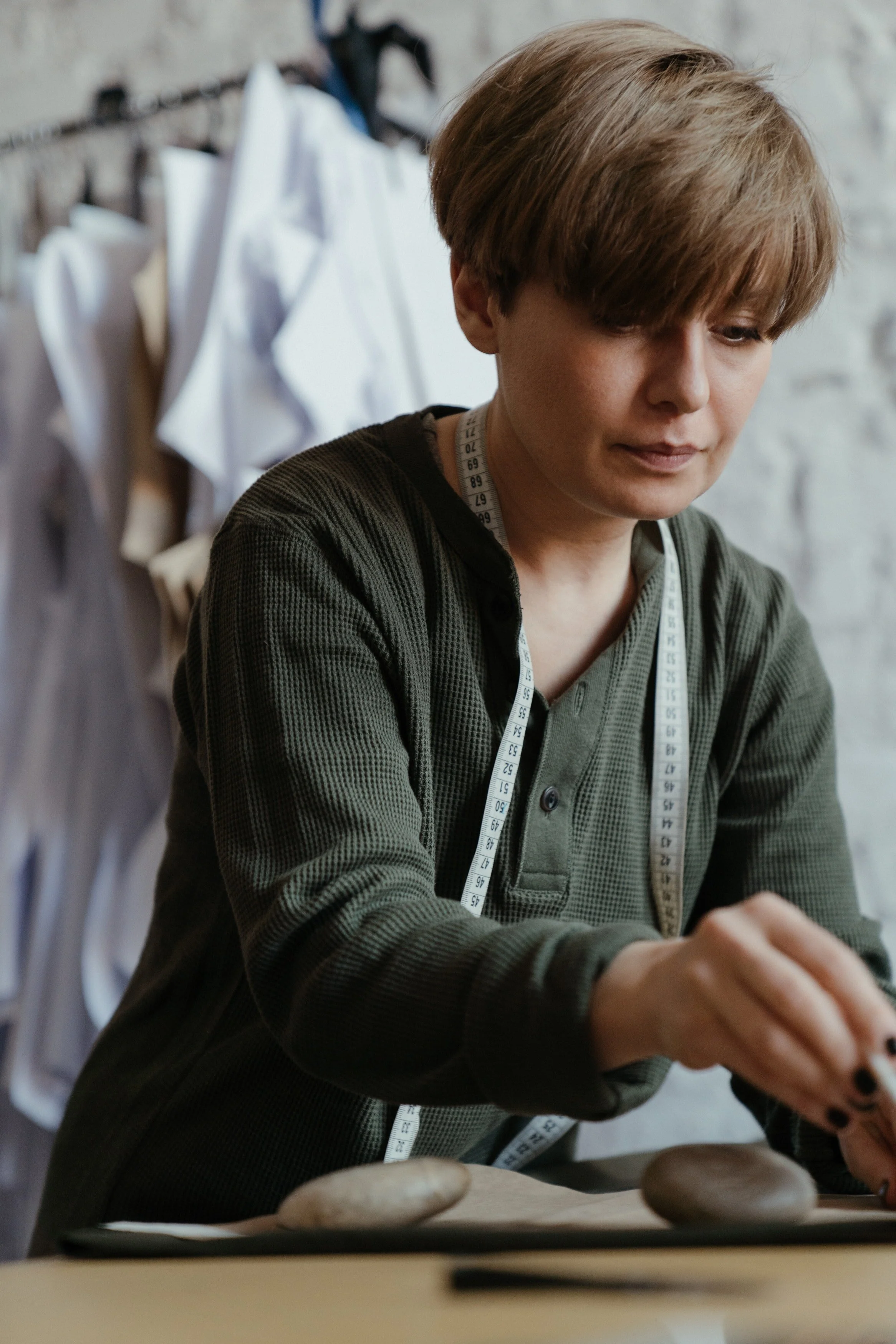
If you type ‘branding’ in any search engine, a plethora of sites pop up promising to help you understand branding. Although the branding process is easy to describe, in reality it’s hard to execute. From my 15+ years experience in the fashion industry here’s my 101 to starting a fashion brand.
The first step to developing a successful brand is to create an authentic brand story. Authenticity in branding is when a business has a tangible story that’s not only based on the truth, but resonates with enough customers who are prepared to part with their hard earned cash and reward the founder for all their effort. In an over saturated market new entrepreneurs have to give a customer a good reason to patronize their brand rather than existing companies.
Branding success is about understanding your customer and their needs and wants, whilst positioning your offer in a unique way and differentiated from your competitors. Preferably your product should have a distinct benefit. Understanding what consumers require can either be gathered from years of working in an industry, a problem you and your friends have personally encountered or via market research.
Once you find the ‘big idea’ - a product/service which has a clear benefit that resonates with a sizeable enough group of customers that are willing to pay you, only then should you set about creating your brand based on its positioning (price, quality, style, fashion market level) and any unique attributes.
Describing your brand in terms of it’s target customer, unique attributes, market positioning and values will help you to create a design brief to aid your graphic designer to develop the right brand identity for your company (logos, symbols, colours and other marketing collaterals).
Once your brand visuals have been developed, you can set about communicating your unique offer by summarizing it into a single brand message, and then communicate it consistently across all customer touch points (website, social channels, packaging, store environment). To find out more read my post on improving your marketing communications here.
Confused about branding and want a step by step guide to creating your own brand that customers value? Attend my next 3 Steps To Branding Group Workshop and leave with a blueprint to brief your Graphic Designer. Or get in touch to find out more about one-to-one advice and receive a complimentary 20 minute online discussion.
Get in touch anisa@anisajohnny.com
Areas of expertise: Fashion Educator I Sustainability I Branding I Social Entrepreneurship
Podcast: Fashion Hub Singapore
Connect: Linkedin