

Are Natural Textiles More Sustainable?
Natural Fabrics May Not Be As Sustainable As You Think
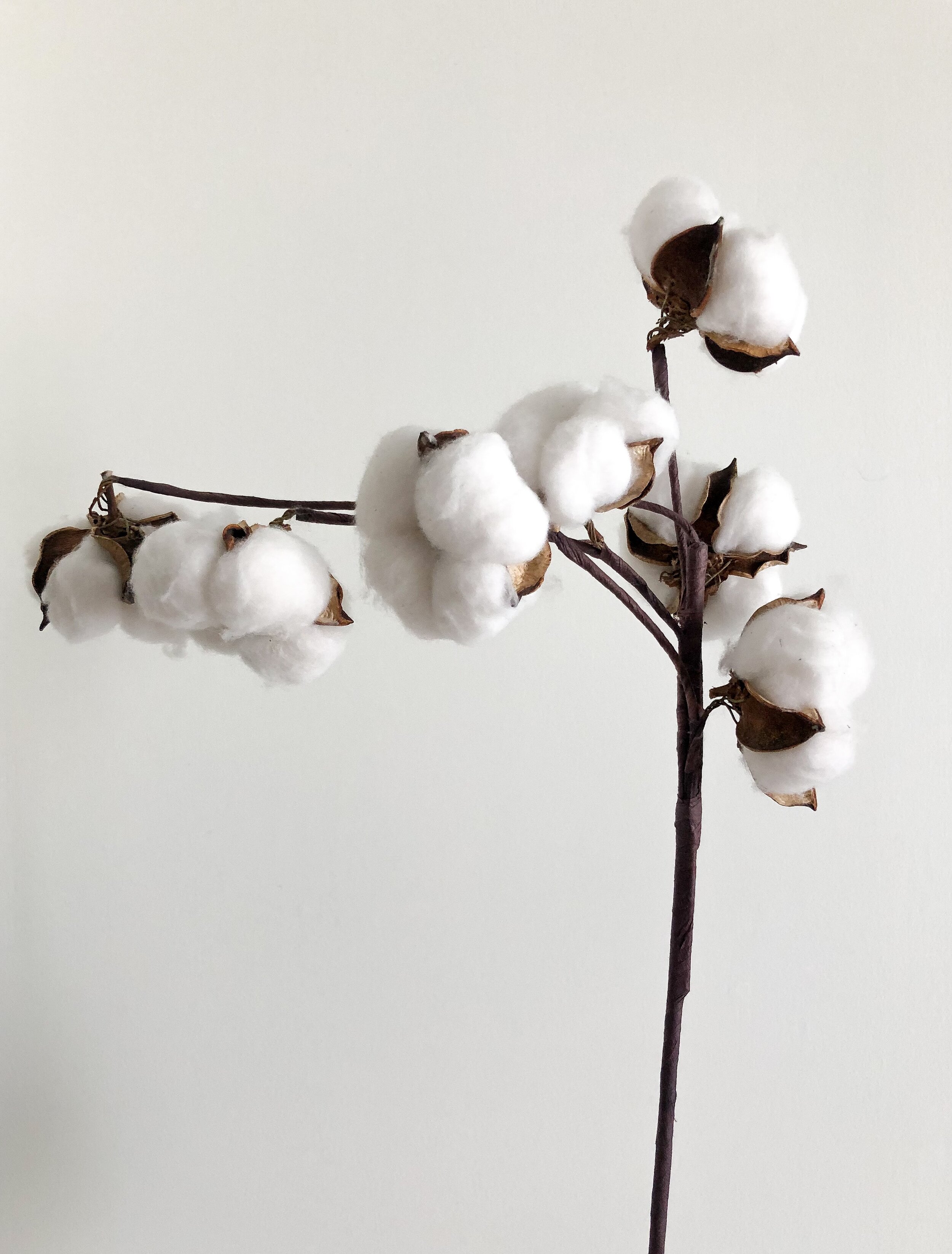
Natural fabrics such as cotton, silk, hemp, wool are considered by some as better for the planet because synthetic fibres are not only mand-made but they are derived from the petro-chemical industry. Natural fibres are by nature (excuse the pun) biodegradable, however, natural fibres must be grown, taking away precious arable land needed for food, often from the poorest regions. Growing natural fibres also uses up water, depriving people who require it for drinking, washing and growing food.
The Aral Sea was once the 4th largest lake in the world, however, cotton farming which started in the region in the 1950s has led to desertification - decimating the economy which relied on fishing. Cotton has also been linked to issues of forced labour in countries such as Uzbekistan, Azerbaijan, Turkmenistan, Tajikistan and Xinjiang. The latter, a province in China which produces over 80% of Chinese cotton fibre.
Man-made fibres, although manufactured, are made from natural materials, sometimes from waste sources such as wood pulp, a bi-product of the furniture industry. These credentials make man-made fibres a sustainable option. When you factor in land, water resources and chemicals used in the process of producing the fibre into textiles, then natural fibres may not always be the most sustainable. Some man-made products e.g. TENCEL™ by Lenzig, allegedly only uses material from sustainably managed plantations which are certified by the US government. The company’s REFIBRA™ is a closed loop process which means the textiles can be recycled to create new fibres. Closed loop design allows for materials to be taken back after the consumer disposes of the item, known as post-consumer waste and remade into new fibres.
Can Synthetic Fibres Be Sustainable?
Synthetic fibres are manufactured through chemical processes, using derivatives from the oil industry. Polyester and nylon are probably some of the most famous examples of synthetic fibres. Some synthetic fibres are considered sustainable because even though they were once petro-chemical based, they are made by re-using discarded fabrics, fishing nets and other textile waste that would end up in landfill. Econyl® for example is post-consumer waste fabric, recycled to create a new fibre which can be used for many types of products. From accessories such as sunglasses and handbags, to interiors. Econyl® has also become popular for swimwear and activewear. It is also considered circular because the raw material has polymers that can be chemically broken down and reassembled back into nylon.
The Problem with Microfibres
Unfortunately, synthetic fibres are not quite the sustainable option the industry was hoping for. Tiny plastic microfibers have been found in the ocean, snow and even aquatic life. Microfibres are tiny strands (which cannot be seen with the naked eye), released from synthetic fabrics like polyester. According to Greenpeace 700,000 fibres are released with each wash and up to 30% of ocean pollution is at a microscopic level.
Is Circular Design The Answer?
Circular design is an important framework to create sustainability in fashion, as the premise considers end-use at the design stage. By incorporating circular design into the product development process, designers consider raw materials as a finite assets that should not be discarded but reused for as long as possible. The circular design model is the diametric opposite to a linear model because it keeps products out of landfill. Designers choose materials that don’t impact the environment and can be recycled. Closed loop design is part of a wider framework of Circular Design.
Choosing sustainable fabrics is a complex process which needs some time and consideration since no fabric is 100% sustainable. Fashion businesses must consider many variables before making the best choice.
Get in touch if you would like advice, attend a workshop or want to know more anisa@anisajohnny.com
Areas of expertise: Fashion Educator I Sustainability I Branding I Social Entrepreneurship
Podcast: Fashion Hub Singapore
Connect: Linkedin
Clarifying Brand Meaning & Finding A Passion For Sustainability
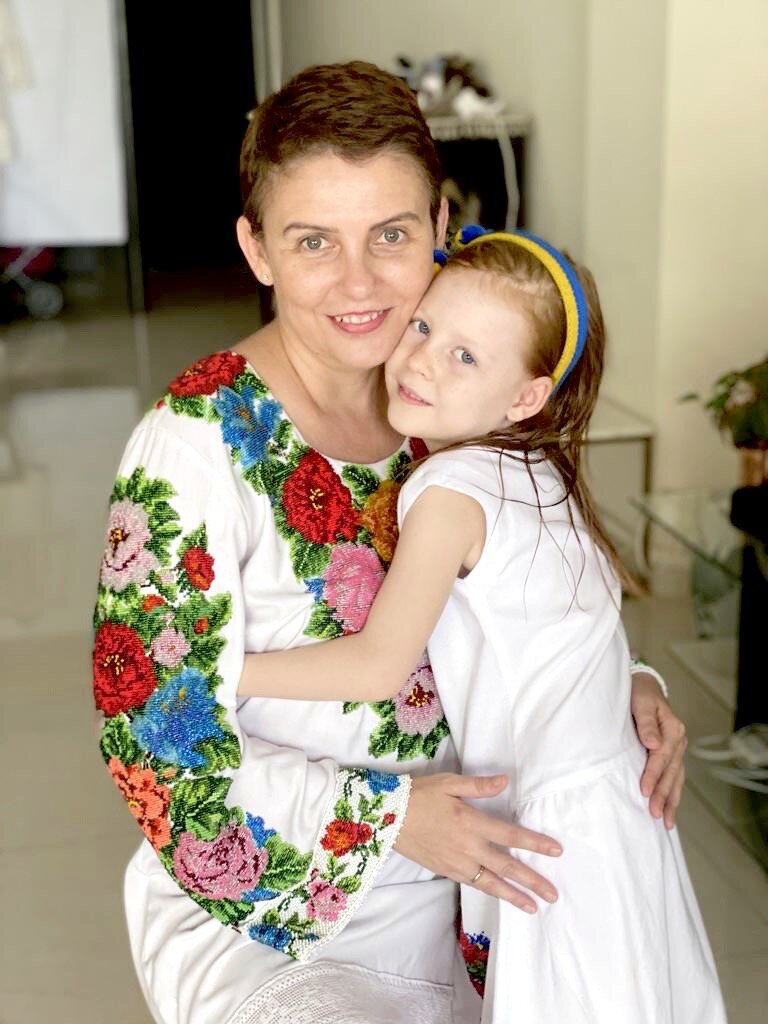
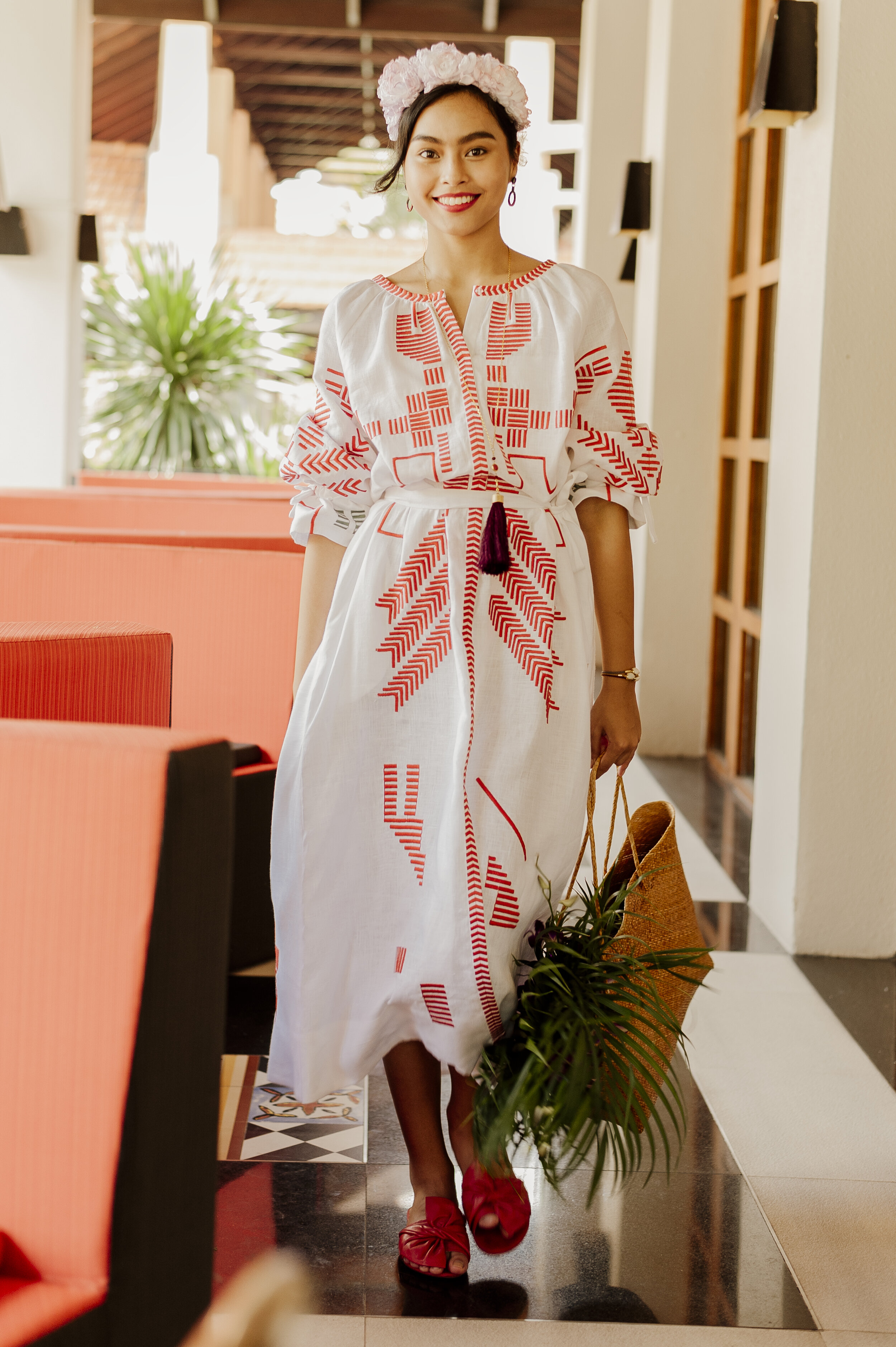
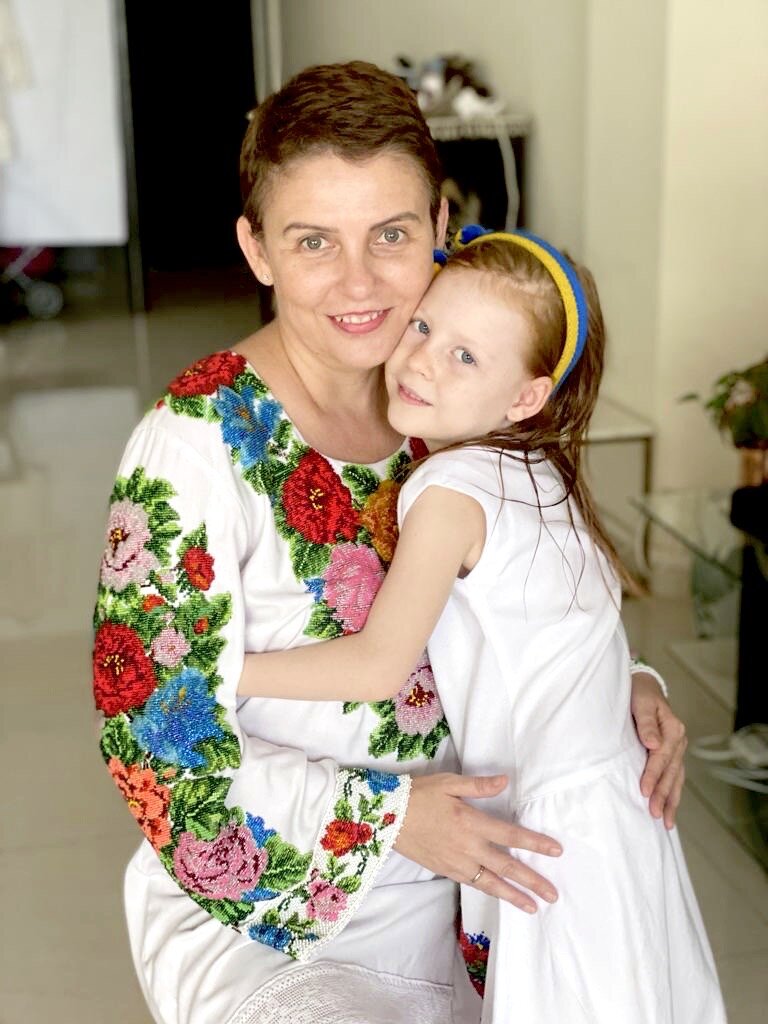
I have taught fashion entrepreneurship as a topic for over 7 years. Its easy to focus on the theory and forget that some brands are not about problems and solutions but they are about passion and serendipity. Nadia Bremner, founder of Bravo Collection is the perfect example. Finding herself in Asia, she created a brand inspired by her interest in craft and found her passion for supporting traditional Ukrainian heritage. When Nadia took part in a branding workshop, I immediately fell in love with her collection and we discovered our shared interests in textiles and slow fashion. Nadia’s objective was to take the time to clarify her brand meaning and develop a brand strategy, which led to a photo shoot collaboration. I spoke to her to find out more about her wonderful journey from a corporate role in compliance and financial management for multi-nationals, to managing a sustainable brand. I am excited to see how her journey in fashion sustainability will continue.
1. You had a brand before Bravo Collection and before moving to Singapore, how did that come about:
When I lived in Shanghai and had a corporate job (in compliance) , I was also fascinated with Chinese furniture and crafts. Together with a friend we had a hobby of making jewellery with carved jade, based on Feng Shui and it turned into a small business, which I brought to Singapore.
2. What made you start Bravo Collection:
I saw a potential interest here, in Singapore for linen embroidered clothes, that are native to my home country Ukraine. Singapore has a great mix of cultures and linen is perfect for this [tropical] weather.
3. Why linen fabric and embroidery? - what should we know about the process as consumers?
Linen is one of the most sustainable fabrics in the world - it has very little impact on the environment and is durable and breathable. Embroidery is present in many cultures as it adds a unique touch to clothes.
4. What is Ukraine like? Why is embroidery an important tradition that people have kept hold of?
Ukraine is a beautiful country, finding its place in the modern world. Traditionally embroidered clothes are worn to weddings and religious celebrations. Many Ukrainian designers started using traditional embroidery in their collections. It became very popular world-wide and received a new life.
5. Tell us about your artisans, what’s their profile and what are they like?
Many of the artisans that I work with live in the Carpathian Mountains. They are very skilled, but often embroidery is the only way for them to earn money, as the region is not developed and there are not many jobs available. The idea of creating jobs and giving back to Ukraine is another reason why I started Bravo Collection. I also work with young local designers, who are very creative, skilled and business oriented - they have well organized production and are easy to deal with. So it's a mixture of old and new, and I really enjoy it.
6. What is your brand about, tell us your brand story and how you resolved it after the branding workshop session?
Bravo Collection is all about slow fashion- using only natural linen fabrics ( linen is locally grown in Ukraine and Belarus) and hand-made embroidery, using traditional methods. Promoting these beautiful garments which are breathable and perfect for the summer is our mission. The workshop session has helped us to shape as a recognizable brand and to identify direction, form and vision. It also gave us tools for marketing and branding. We are really grateful for the opportunity to work with Anisa and Kevin [the photographer] for our campaign shoot.
7. What is your hope for your brand?
We hope to expand and sell in all countries of South East Asia and Australia by educating people, that slow fashion and wearing linen in particular is the way forward.
Nadia Bremner
Founder Bravo Collection
Follow the brand on Instagram @bravocollectionsg