

Is Second-hand The Answer? A Summary of ThredUp's Resale Report

Second-hand a sustainable solution
My summary of the amazing Thredup Resale Report reveals that the secondhand fashion market is going gangbusters! If you forget everything after reading this please remember this, the second-hand apparel market is outpacing the broader fashion retail market.
Key findings from the report indicate that the global secondhand apparel market is projected to reach $350 billion by 2028, with a compound annual growth rate (CAGR) of 12%.
The global second-hand apparel market grew by 18%. By 2025 10% of global apparel will be second-hand.
In the U.S., the secondhand market is expected to grow by 11% each year reaching $73 billion by 2028.
Online resale is driving much of this growth, with the segment expected to double in the next five years, growing at a CAGR of 17% and is predicted to reach $40 billion by 2028. Online retail will make up half of second-hand apparel purchases by 2025.
According to the ThredUp report, several factors are fueling this shift toward second-hand shopping.
The Economy
In 2024 consumers identified they would spend more on second-hand if the economy does not rebound. Whilst in 2023, 3 in 4 consumers stated value as the most critical consideration when it comes to spending on apparel.
Personal Expression
Younger consumers are turning to secondhand apparel for reasons other than affordability.
Many Gen Z and Millennial shoppers see secondhand clothing as a way to express their style and make eco-conscious choices.
More than half surveyed said that shopping secondhand gave them the best value for their money, with many expecting to increase their spending in this category if economic conditions remain uncertain.
Earn Extra Cash
In 2023 peer-to-peer reselling of apparel at 25% was almost the same as 2021 reflecting post-pandemic clearouts. Gen Z and Millennial consumer figures were even higher at 33%.
Almost half used the money made from resale for daily living whilst the younger Gen Z used it for saving. Consumers cited other reasons for reselling including clearing out their closets and sustainable fashion disposal.
Branded Resale
The report also highlights the rise of branded resale programs, with 163 brands offering resale options in 2023 (up by 34).
This trend is expected to continue as more retailers recognize the business potential of resale.
Nearly 87% of retail executives said resale advanced their sustainability goals, 80% said it generated more revenue, 67% agreed to resale driving new customers and 63% expected resale to contribute at least 10% of their revenue in the next five years. Whilst 74% of brands who have not started resale programs state they are actively looking into resale.
Popular brands such as J.Crew, American Eagle, and Kate Spade have already jumped on board with new resale initiatives powered by ThredUp’s Resale-as-a-Service (RaaS).
Of course, much of this data is US-based and ThredUp is promoting its second-hand marketplace, however, with an estimated 100 billion garments produced a year second-hand is an important part of reducing fashion’s impact on the environment.
The report points to a promising future for resale, with the potential to reshape the fashion industry by reducing waste and promoting sustainable consumer behaviour.
ThredUp is an online peer-to-peer consignment marketplace where consumers can buy and sell secondhand clothing. Read their full report here.
NB Please note this article is using the report as a basis to discuss fashion brands considering second-hand as a sustainable option, this is not an endorsement of their services or brand.
Asian Innovation - Clynn By Nature's Founder Lynn Yap A Scientist With A Mission

Meeting Clynn By Nature founder Lynn Yap at a women’s event was eye opening. Determined and energetic, I recalled how she was explaining to each browser at her stand exactly what every product contained. Customers would leave with an arm-full of product. It was clear her range of shampoos and hair care, had a unique benefit ladies were looking for.
Working with her to deepen her brand attributes and create a clear brand hierarchy in order to refresh the packaging was a pleasure. Here’s is a story of deep knowledge in her field, continued product improvement and perseverance.
1.Tell us about your entrepreneurship journey - how did it all start?
Suffering from hair loss and frizzy hair, I looked everywhere for hair care products that were safe, effective and affordable, but had no luck. Soon, I found out that I wasn’t the only one who needed products that addressed these hair issues – my friends, relatives and even a professional hairstylist told me that they had trouble finding good products. I decided to create my own scalp care and hair care products. I launched the range, Clynn by Nature, in 2016. The products are made from safe, sustainable, natural, active ingredients; and are designed for use in our hot, humid climate. Clynn By Nature is now sold mainly in pharmacies in hospitals and polyclinics. It’s also available online and in a few hair salons.
2. You are a trained chemist, what does that mean for non-science people?
I obtained a Master’s degree in Polymer Science from Loughborough University, UK in 1988. I have accumulated over 20 years of research and formulation experience while working for multinational companies in the personal care ingredients industry. My work included carrying out independent research projects. I was named co-inventor of a world-wide patent in personal cleansing. Prior to working in personal care, I spent two and a half years setting up a bakery from scratch, obtaining ISO 9000 accreditation. As such, I am both confident and competent to formulate and create efficacious products for self-care.
As a trained chemist I am able to understand things at their elementary or molecular level. Understanding how these molecules interact both physically and chemically, allows me to formulate products that actually perform. It's from this knowledge and experience, that I am able to create a range that gets to the heart of people’s hair care problems. Clynn By Nature products were specifically formulated for Singapore’s tropical climate conditions and our busy, stressful lifestyles.
The research process took over 10 years due to many reasons. For example, where microorganisms are involved, things get more interesting. The presence of unwanted microorganisms may compromise product safety. On the other hand, we need good bacteria to break down some chemical structures to carry out fermentation and achieve certain functional ingredients. In other words it took time to test the best formulations.
3. Consumers are prone to losing hair in Singapore, why is that?
Hair loss is a major concern in Singapore. It affects consumers of all ages. To begin with, our daily tropical heat and humidity spur fungal and bacteria growth on the oily substances that reside on our scalp. The result is scalp itching, dandruff, blockage and weakening of hair follicles that could lead to hair loss. Such oily substances may come from our scalp secretion, urban traffic film, or contributed to by the conditioning agents in our hair products.
Next, hormone imbalance caused by childbirth, menopause, medication or lifestyle-related stress, leads to the formation of dihydrotestosterone (DHT) that can cause root shrinking and eventually hair loss. Frequent hair dyeing, exposing our scalp to allergens, may lead to hair loss too.
4. Can you give readers tips about maintaining hair? Especially after reaching a certain age and or having a baby or moving to Singapore from the Northern hemisphere.
Step i: Keep our scalp clean
Shampoo once a day. Even if you do not sweat, the pollution from traffic in a busy city, justifies daily shampooing. Many consumers are averse to washing their hair every day for fear of exposing their hair to too many chemicals leading to dryness. However, shampooing only when the scalp feels itchy or when hair feels oily, risks leading to itchy scalp, dandruff and premature hair loss. The solution is to use the right shampoo. The right shampoo allows us to shampoo daily without drying out the hair and keeps our scalp clean, healthy and dandruff-free. It also maintains good follicle health and promotes healthy hair growth cycles.
Our award-winning best anti-hair loss shampoo, Clynn By Nature Hair Shampoo, adds volume, and is carefully formulated for thin and fine hair. It gives volume without the frizz. Clynn By Nature Hair Shampoo EXTRA MOISTURE suits coarse or dry hair. It provides deep hydration and is gentle to the scalp.
Step ii: Keep your hair strong and healthy
Additional protein treatment helps strengthen and smoothen your hair. Use Clynn By Nature’s MY Haircare Hair Conditioner after every shampoo, to restore the smoothness and shine. Note: This fast-acting rinse-off conditioner absorbs quickly. Massage for 30 seconds and rinse off. You do not need to leave it on and wait.
After towel drying your hair, spray on Clynn By Nature’s MY Haircare Hair Mist, from mid-length down to the ends. Massage in and comb through. This oil-free formula does not weigh your hair down. It smooths and detangles to ease combing and prevents split ends. Blow dry and style. A weekly treatment with Clynn By Nature’s Hair Mask provides the additional nourishment for the hair.
Step iii: Nourish our scalp
For those experiencing hormone imbalance, due to lifestyle changes, such as moving to Singapore from the northern hemisphere, childbirth, menopause or prolonged medication, it is important to keep your roots strong and healthy to prevent premature hair loss.
Daily application of Clynn By Nature Scalp Tonic 01 – Strong Roots delivers the right amount of nourishment to our scalp to keep your roots strong and healthy. It also prevents scalp greasiness and promotes new roots.
Step iv: Weekly Scalp Treatment
Clynn By Nature Scalp Shampoo rejuvenates and maintains scalp health by combining deep cleansing, oil control, DHT-blocking, gentle exfoliation with lasting hydration. This allergen-free formula is a 2-in-1 Tonic-cum-shampoo, for single-step convenience. Use it after hair dyeing to keep your scalp allergen-free. Use weekly in place of Hair Shampoo as weekly scalp treatment.
For consumers above 45 years of age, Clynn By Nature Scalp Shampoo may be used as a daily shampoo to prevent hair loss and promote hair growth.
5. Tell us your brand story and how you resolved or developed it after the workshop session?
When I started formulating products to improve scalp health, I had to come up with a name for my products. Clynn sounds like “clean” which is “the first step” for personal care. Being born and bred in this part of the world, where the best thriving conditions for microorganisms exist, our skin and scalp are highly susceptible to microbial related diseases. Therefore, good personal hygiene cannot be compromised. Because our products are formulated and designed based on the concept of utilizing the gifts of mother nature, by nurturing our body’s natural ability to renew, rejuvenate and restore - the name “Clynn By Nature” made sense.
Before the workshop, I paid all my attention to the formulation of my products, ensuring top quality, safety and efficacy. Branding was a name just to describe who we are and what we do. After the workshop, I realised that Clynn By Nature needs to be a brand, not just a name. It has to be a brand that means something to others and bring something to our customers. I was fortunate to have the help of Anisa who worked with me on sharpening our brand identity, values, what it [the brand] stands for, what it means for the users of Clynn By Nature, i.e. improve brand messaging with clarity.
6. What is your hope for your brand? - feel free to dream and share a large or small goal!
Firstly, to become a trusted brand in Singapore and overseas markets. Users associate CLYNN BY NATURE with quality, reliability and efficacy in hair care and hair loss treatment products.
Secondly, to contribute positively to our environment:
- Reduce water consumption and carbon emission: Clynn By Nature’s products rinse off quickly, reducing the need for rinse water; and saving energy by needing less hot water, therefore reduce carbon emission
- Reduce plastic waste: Clynn By Nature shampoos are available in bottles and refill pouches. Refills use 80% less plastic than bottles, therefore we are contributing to reducing plastic waste by 80% every time a customer purchases a refill. Refills also promote reusing of used bottles of other products which could further encourage zero waste.
- Continue to launch new products with sustainable ingredients with reduced dependency on palm oil.
Founder Lynn Yap
Clynn By Nature
Follow the brand on Instagram @Clynnbynature

Are Natural Textiles More Sustainable?
Natural Fabrics May Not Be As Sustainable As You Think
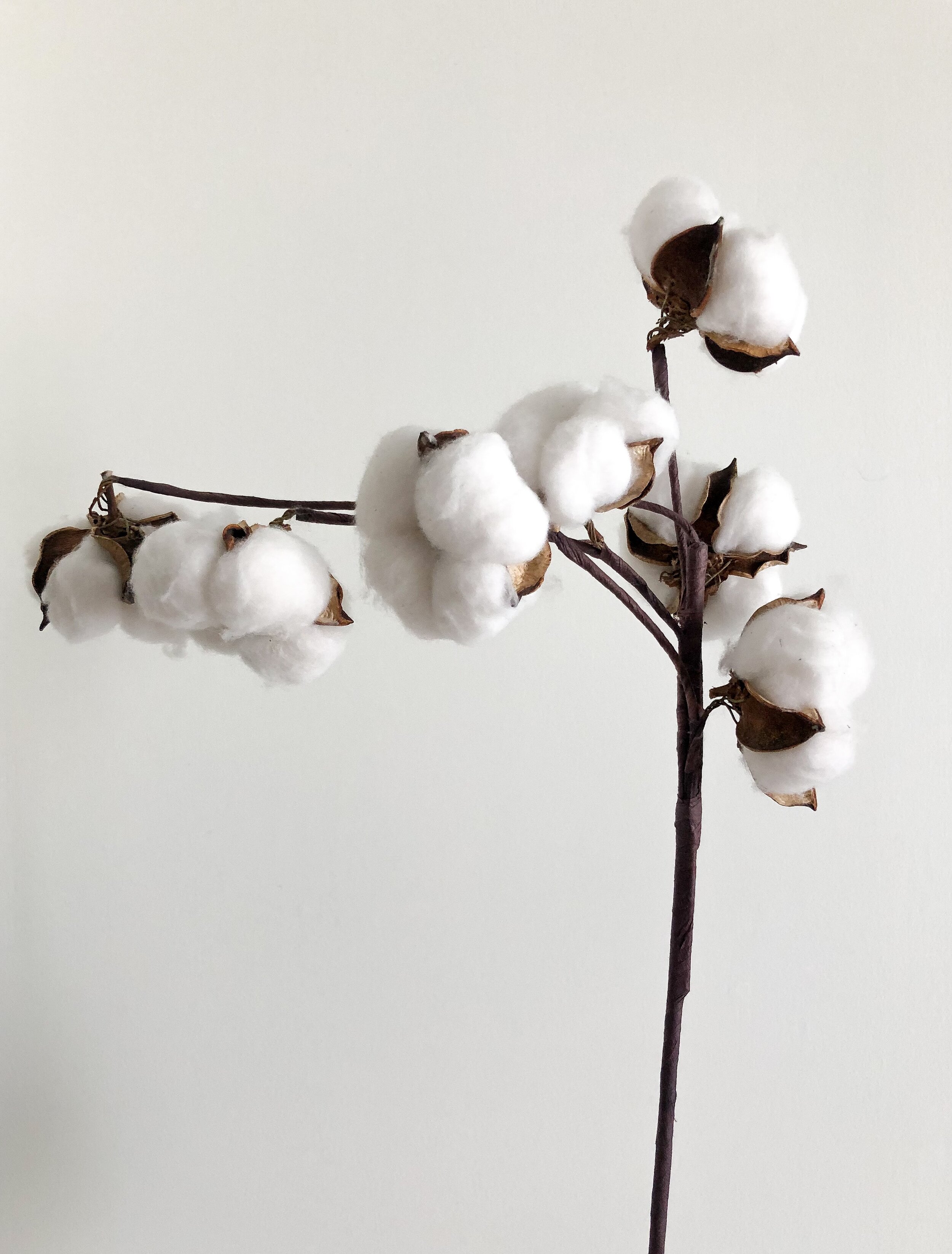
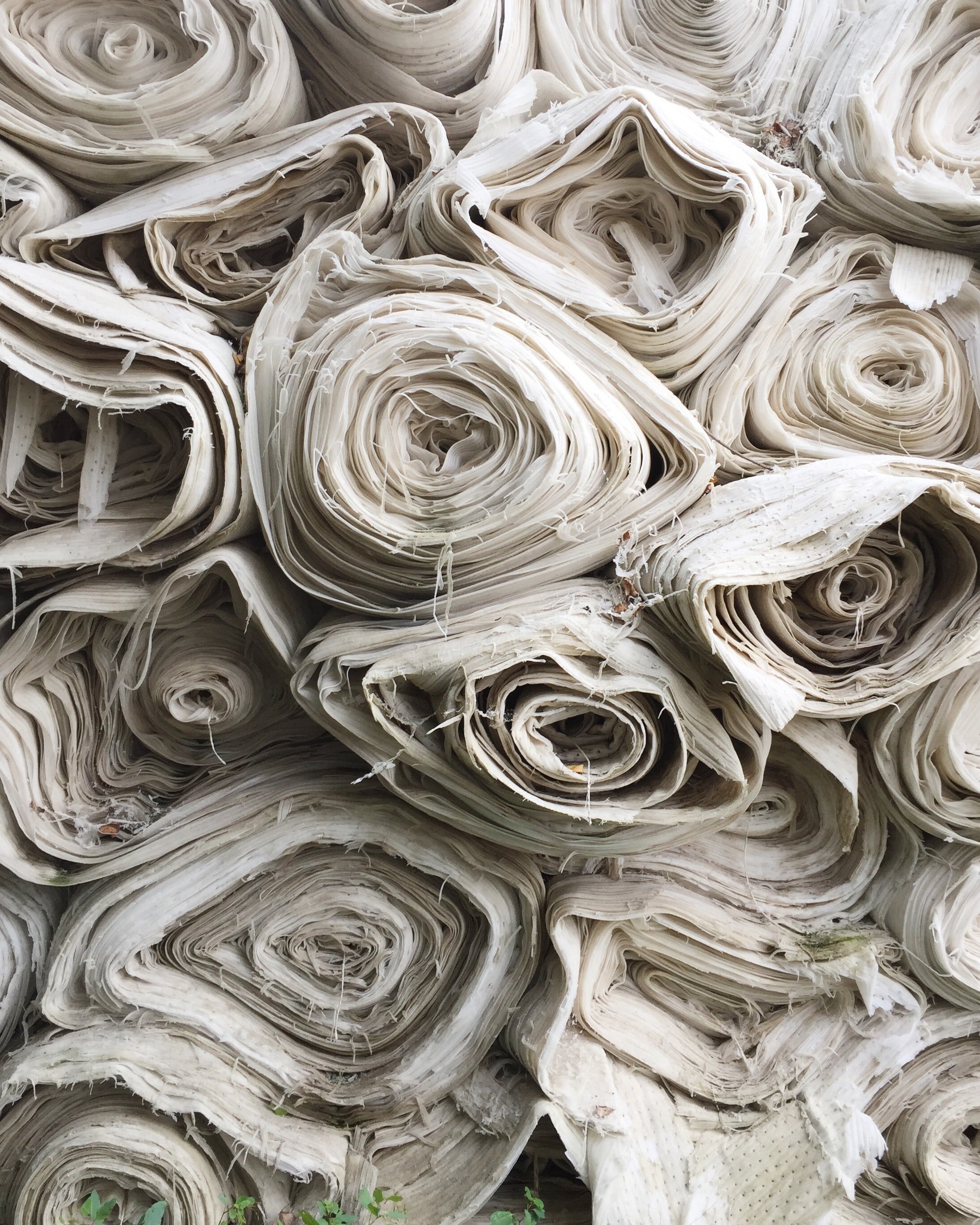
Natural fabrics such as cotton, silk, hemp, wool are considered by some as better for the planet because synthetic fibres are not only mand-made but they are derived from the petro-chemical industry. Natural fibres are by nature (excuse the pun) biodegradable, however, natural fibres must be grown, taking away precious arable land needed for food, often from the poorest regions. Growing natural fibres also uses up water, depriving people who require it for drinking, washing and growing food.
The Aral Sea was once the 4th largest lake in the world, however, cotton farming which started in the region in the 1950s has led to desertification - decimating the economy which relied on fishing. Cotton has also been linked to issues of forced labour in countries such as Uzbekistan, Azerbaijan, Turkmenistan, Tajikistan and Xinjiang. The latter, a province in China which produces over 80% of Chinese cotton fibre.
Man-made fibres, although manufactured, are made from natural materials, sometimes from waste sources such as wood pulp, a bi-product of the furniture industry. These credentials make man-made fibres a sustainable option. When you factor in land, water resources and chemicals used in the process of producing the fibre into textiles, then natural fibres may not always be the most sustainable. Some man-made products e.g. TENCEL™ by Lenzig, allegedly only uses material from sustainably managed plantations which are certified by the US government. The company’s REFIBRA™ is a closed loop process which means the textiles can be recycled to create new fibres. Closed loop design allows for materials to be taken back after the consumer disposes of the item, known as post-consumer waste and remade into new fibres.
Can Synthetic Fibres Be Sustainable?
Synthetic fibres are manufactured through chemical processes, using derivatives from the oil industry. Polyester and nylon are probably some of the most famous examples of synthetic fibres. Some synthetic fibres are considered sustainable because even though they were once petro-chemical based, they are made by re-using discarded fabrics, fishing nets and other textile waste that would end up in landfill. Econyl® for example is post-consumer waste fabric, recycled to create a new fibre which can be used for many types of products. From accessories such as sunglasses and handbags, to interiors. Econyl® has also become popular for swimwear and activewear. It is also considered circular because the raw material has polymers that can be chemically broken down and reassembled back into nylon.
The Problem with Microfibres
Unfortunately, synthetic fibres are not quite the sustainable option the industry was hoping for. Tiny plastic microfibers have been found in the ocean, snow and even aquatic life. Microfibres are tiny strands (which cannot be seen with the naked eye), released from synthetic fabrics like polyester. According to Greenpeace 700,000 fibres are released with each wash and up to 30% of ocean pollution is at a microscopic level.
Is Circular Design The Answer?
Circular design is an important framework to create sustainability in fashion, as the premise considers end-use at the design stage. By incorporating circular design into the product development process, designers consider raw materials as a finite assets that should not be discarded but reused for as long as possible. The circular design model is the diametric opposite to a linear model because it keeps products out of landfill. Designers choose materials that don’t impact the environment and can be recycled. Closed loop design is part of a wider framework of Circular Design.
Choosing sustainable fabrics is a complex process which needs some time and consideration since no fabric is 100% sustainable. Fashion businesses must consider many variables before making the best choice.
Get in touch if you would like advice, attend a workshop or want to know more anisa@anisajohnny.com
Areas of expertise: Fashion Educator I Sustainability I Branding I Social Entrepreneurship
Podcast: Fashion Hub Singapore
Connect: Linkedin
Clarifying Brand Meaning & Finding A Passion For Sustainability
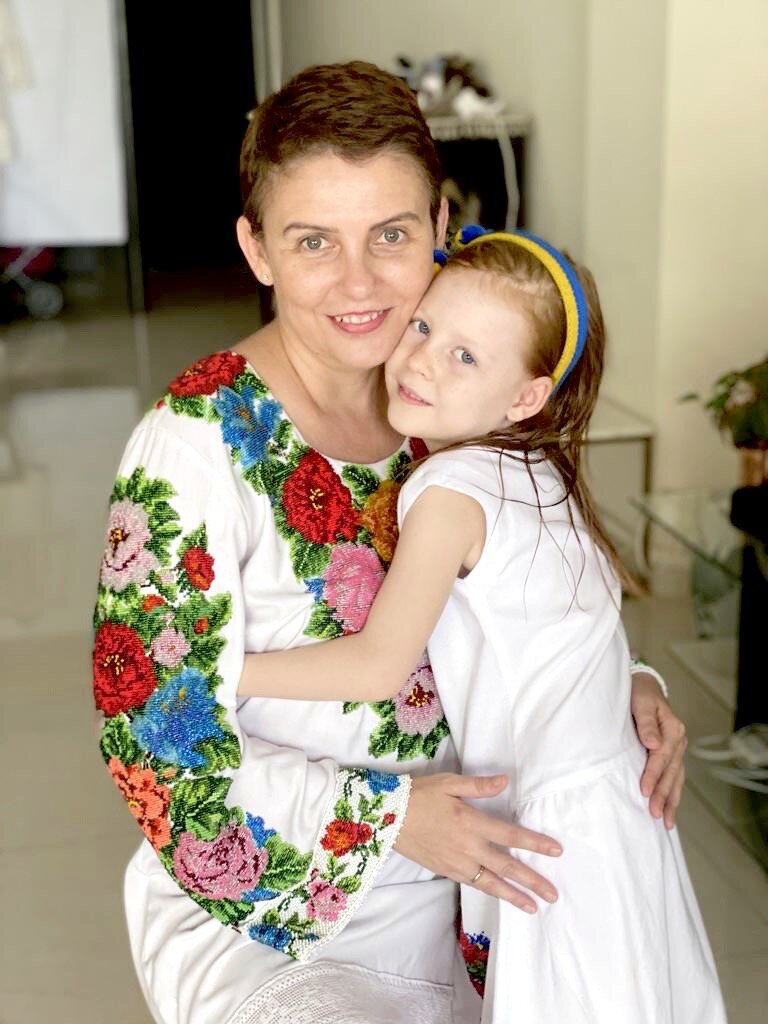
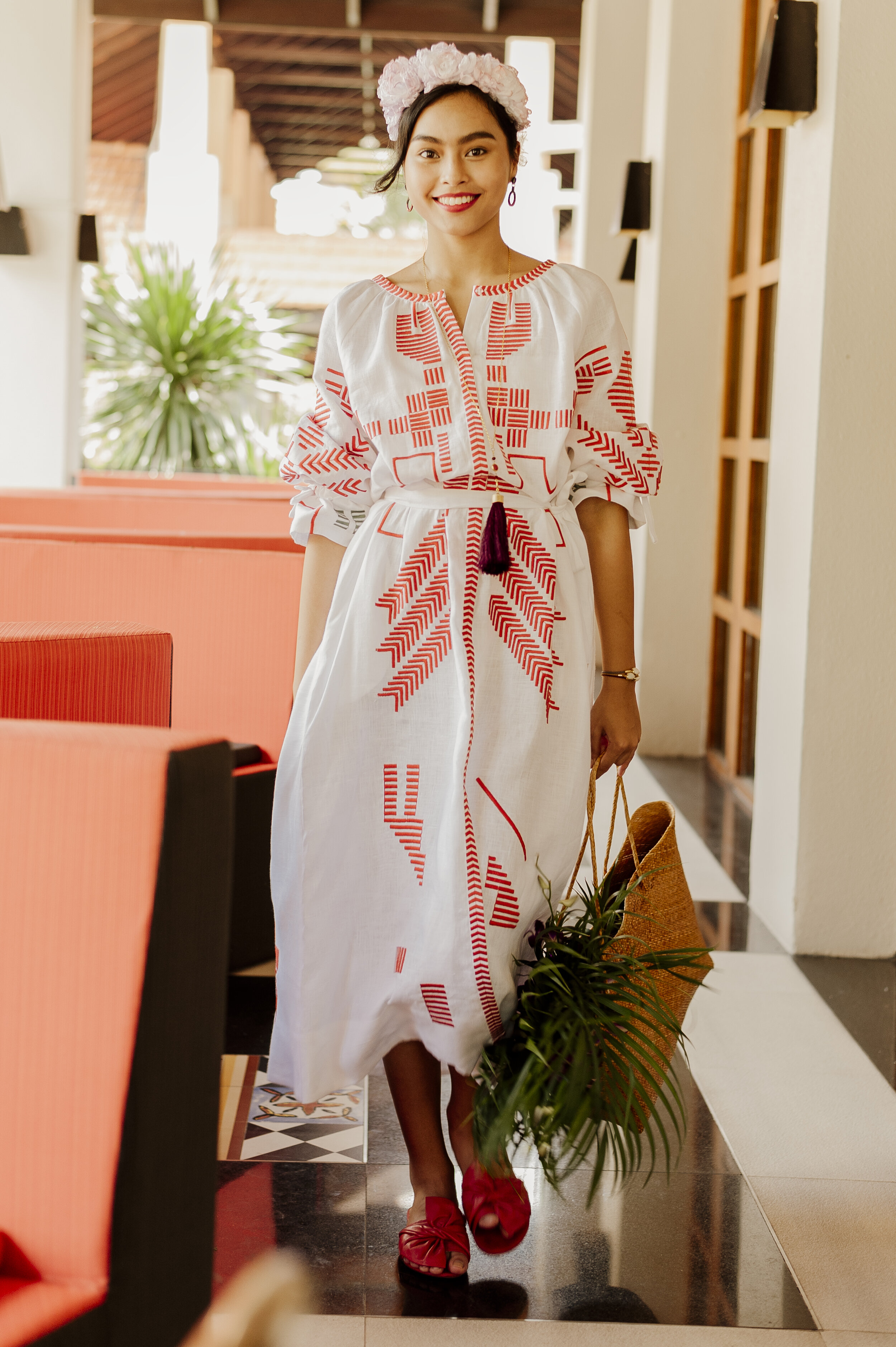
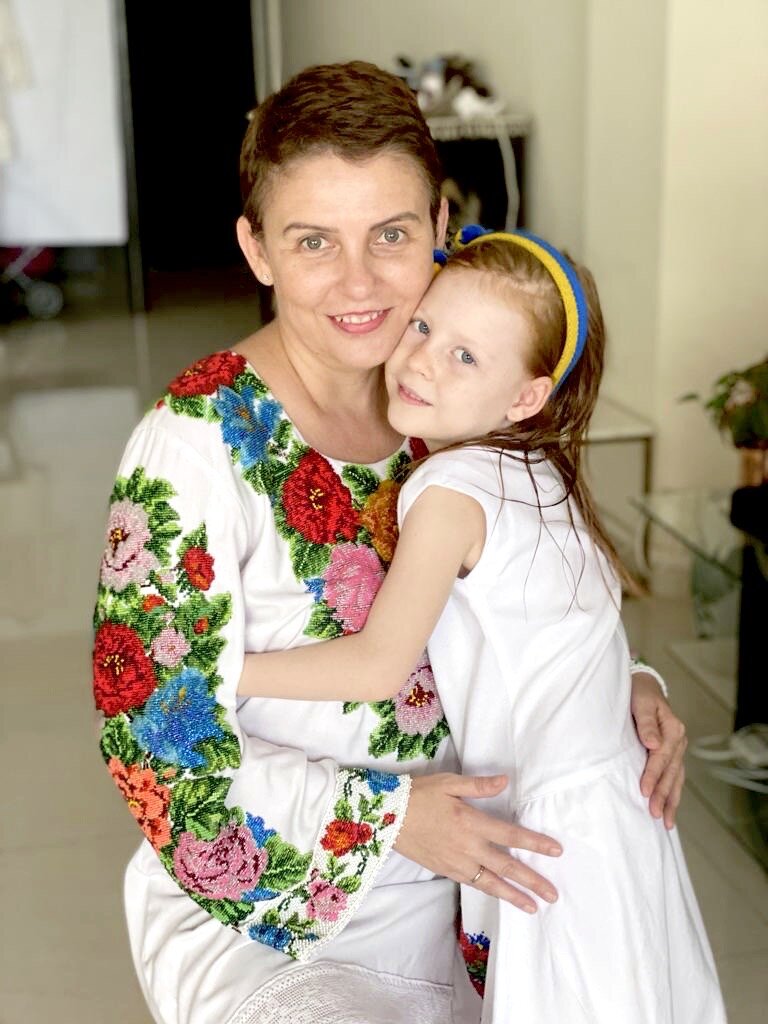
I have taught fashion entrepreneurship as a topic for over 7 years. Its easy to focus on the theory and forget that some brands are not about problems and solutions but they are about passion and serendipity. Nadia Bremner, founder of Bravo Collection is the perfect example. Finding herself in Asia, she created a brand inspired by her interest in craft and found her passion for supporting traditional Ukrainian heritage. When Nadia took part in a branding workshop, I immediately fell in love with her collection and we discovered our shared interests in textiles and slow fashion. Nadia’s objective was to take the time to clarify her brand meaning and develop a brand strategy, which led to a photo shoot collaboration. I spoke to her to find out more about her wonderful journey from a corporate role in compliance and financial management for multi-nationals, to managing a sustainable brand. I am excited to see how her journey in fashion sustainability will continue.
1. You had a brand before Bravo Collection and before moving to Singapore, how did that come about:
When I lived in Shanghai and had a corporate job (in compliance) , I was also fascinated with Chinese furniture and crafts. Together with a friend we had a hobby of making jewellery with carved jade, based on Feng Shui and it turned into a small business, which I brought to Singapore.
2. What made you start Bravo Collection:
I saw a potential interest here, in Singapore for linen embroidered clothes, that are native to my home country Ukraine. Singapore has a great mix of cultures and linen is perfect for this [tropical] weather.
3. Why linen fabric and embroidery? - what should we know about the process as consumers?
Linen is one of the most sustainable fabrics in the world - it has very little impact on the environment and is durable and breathable. Embroidery is present in many cultures as it adds a unique touch to clothes.
4. What is Ukraine like? Why is embroidery an important tradition that people have kept hold of?
Ukraine is a beautiful country, finding its place in the modern world. Traditionally embroidered clothes are worn to weddings and religious celebrations. Many Ukrainian designers started using traditional embroidery in their collections. It became very popular world-wide and received a new life.
5. Tell us about your artisans, what’s their profile and what are they like?
Many of the artisans that I work with live in the Carpathian Mountains. They are very skilled, but often embroidery is the only way for them to earn money, as the region is not developed and there are not many jobs available. The idea of creating jobs and giving back to Ukraine is another reason why I started Bravo Collection. I also work with young local designers, who are very creative, skilled and business oriented - they have well organized production and are easy to deal with. So it's a mixture of old and new, and I really enjoy it.
6. What is your brand about, tell us your brand story and how you resolved it after the branding workshop session?
Bravo Collection is all about slow fashion- using only natural linen fabrics ( linen is locally grown in Ukraine and Belarus) and hand-made embroidery, using traditional methods. Promoting these beautiful garments which are breathable and perfect for the summer is our mission. The workshop session has helped us to shape as a recognizable brand and to identify direction, form and vision. It also gave us tools for marketing and branding. We are really grateful for the opportunity to work with Anisa and Kevin [the photographer] for our campaign shoot.
7. What is your hope for your brand?
We hope to expand and sell in all countries of South East Asia and Australia by educating people, that slow fashion and wearing linen in particular is the way forward.
Nadia Bremner
Founder Bravo Collection
Follow the brand on Instagram @bravocollectionsg