Textiles as the Engine of Economic Development
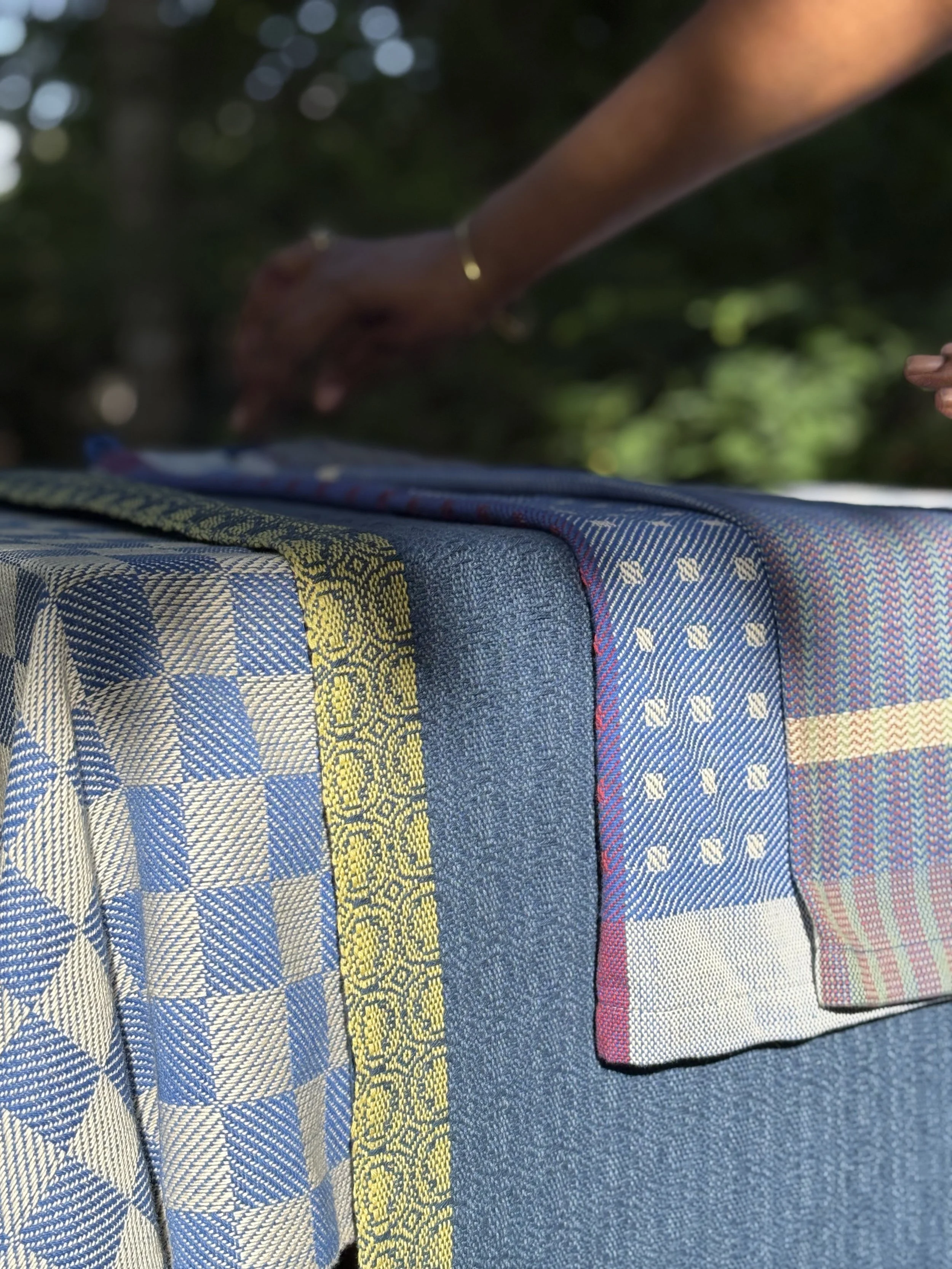
Weaving Point Tanzania - Photography Julieth Msofe
Textiles have been the bedrock of modern-day global markets, without which there would be no economic development. Fibres, the fibre-making process, and finished textiles have been foundational economic activities across civilisations, not merely because clothing is essential, but because textiles combine value-added manufacturing, tradeability, employment, and political leverage through trade.
Throughout history, the fibre, the loom, and the factory have been focal points where technology, labour relations, state power, and global markets intersect to produce economic transformations and social change, for better or worse.
This essay outlines how textiles are the bedrock of economic development and questions whether developing countries can ever catch up with industrialised nations if they are competing with key structural challenges. Namely, a global capitalist system that limits fair market access while privileging factory-made textiles, frequently supported by state subsidies.
From Roman Londinium to Medieval Wool Kings, Textiles Have Been Central To Economies
In the Roman state, wool production and trade were important sources of wealth and government income. Cities like Londinium acted as centres for administration and trade, where taxes and fees on wool helped strengthen state power. Some historians argue that the Romans were drawn to Britain because the ancient Britons produced very high-quality wool, as well as other agricultural products, and the country’s waterways provided effective transport routes.
Later, in medieval England, the wool trade became a principal source of public income and private wealth. Export duties, customs, and the fortunes of merchant-landowners demonstrate how a single commodity chain can shape political economy for centuries.
Wool taxes and export duties were so lucrative that they funded wars, royal bureaucracy, and infrastructural development. Medieval customs accounts suggest wool constituted a large portion of England’s export value and dominated the Kingdom’s customs receipts.
English wool, especially from regions like the Welsh Marches and Lincolnshire, was prized for its long fibres used to make high-quality cloth in Flanders, Brabant, and Italian cities. Without this English raw material, several of those textile centres may not have grown into major urban economies.
By the late Middle Ages, England and Wales accounted for about 77% of all dutiable exports from the entire British Isles, while Ireland’s exports were only about 12% and Scotland’s about 18% of that total. The bulk of this trade was wool and related products, making England’s economy far more export-oriented and commercially advanced than its neighbours in the same period. England’s economy urbanised and commercialised far more rapidly than Scotland and Ireland, whose exports remained small by comparison.
Raw wool exports were gradually replaced by finished cloth exports as England’s domestic textile industry grew; a value-added shift central to later industrial development.
The Atlantic Slave Trade & Europe’s Shift from Hemp to Cotton
For thousands of years, fibres such as hemp and linen (made from flax) were among the world’s most important materials for textiles. They were widely grown, highly versatile, and used for clothing as well as industrial products like rope and sails. During the reign of Henry VIII in the mid-1500s, farmers in Britain were required to grow hemp because it was essential to the naval industry. Before cotton became dominant worldwide, hemp was valued for its strength, durability, and many uses. It was also used across the economy for products such as food and paper, and even the United States Declaration of Independence was drafted on hemp paper.
Cotton became popular because it was soft and had other useful qualities, and by the 18th century, it had become the world’s dominant fibre. Its rise was driven by suitable growing conditions in the Americas, industrial machinery, and, most importantly, plantation slavery in the Atlantic world. This changed labour systems, wealth creation, and global trade. The shift from hemp to cotton in many Western textile industries was therefore not just technological, but also social and political, as cotton production relied heavily on forced labour and colonial land systems.
Technology, Labour, and Social Conflict: The Spinning Jenny and Machine-breaking
When a labour-intensive proto-industrial sector faces mechanisation, the social stakes are high because textiles often employ a large share of the local workforce and underpin associated cottage and merchant incomes. The introduction of machines such as the Spinning Jenny and later water-powered frames brought resistance and machine-breaking in the late 18th and early 19th centuries.
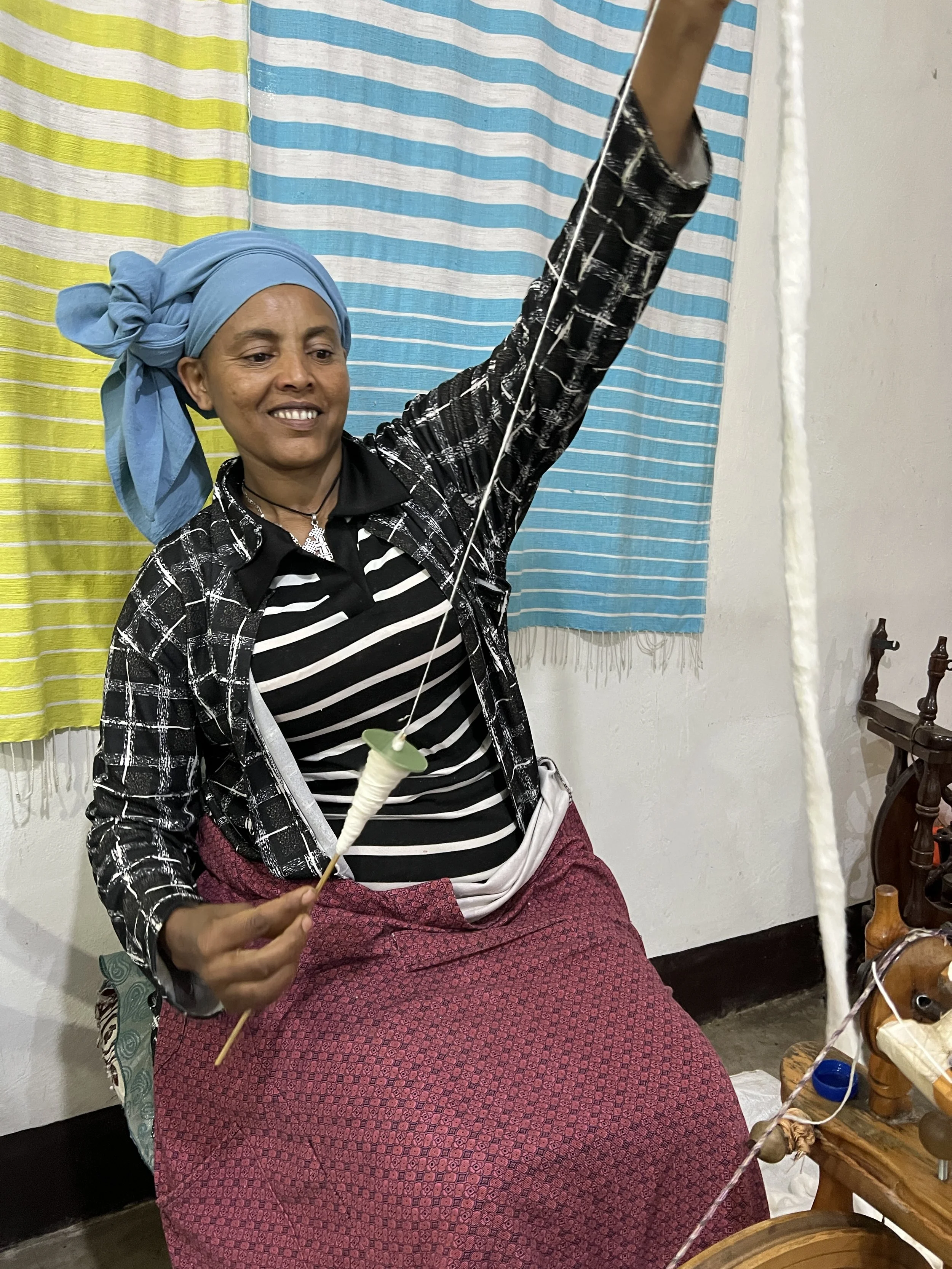
Some scholars argue that the Luddite movement and the destruction of machines were not acts of senseless violence, but organised responses from workers whose jobs and livelihoods were under threat. They targeted machines and property because local textile economies gave them few other ways to protest. Some historians estimate that by around 1750, Britain may have needed more than 500,000 full-time hand spinners to process its fibre supplies, making spinning one of the country’s largest manufacturing occupations during the early Industrial Revolution.
These disturbances illuminate how technological change in textiles can trigger rapid and visible social and political unrest, a critical dynamic in the transition from artisanal to industrial economies.
Economic ‘Take-off’ & Textiles as a Catalyst for Development
Modern development theory has repeatedly highlighted textiles as a prototypical “leading sector” in industrial take-off. In W.W. Rostow’s stages of growth, the take-off requires a concentrated set of industries where modern techniques and rising investment create self-sustaining growth. Historically, cotton textiles filled this role in Britain and in parts of North America.
Rostow and later scholars argued that the textile industry helped drive industrial growth by increasing productivity, moving workers out of agriculture, generating export income, and supporting related industries such as machine production, dyeing, and transport. These were key conditions for wider industrial development. Although historians have challenged and refined Rostow’s ideas, the broader pattern remains clear: textiles, labour, and value creation were often at the centre of major economic and social transformation.
Lessons for Contemporary Development
Some broad lessons follow. First, the fibre-to-fabric chain is uniquely positioned for development because it touches land use, labour markets, capital formation, and trade policy; policies that support productive, equitable, and sustainable textile value chains can therefore unlock multiplier effects.
Second, historical transitions (hemp displaced by cotton and handloomed displaced by mechanised factory production) show that technological or commodity shifts bring winners and losers. Equitable development requires envisioning systems, and the challenge is to replicate the growth-inducing features of historical textile take-offs while avoiding their pathologies, such as coercive labour, ecological degradation, and ownership concentrated in a few hands.
Thirdly, if take-off is usually driven by a leading sector that experiences a technological breakthrough, such as cotton textiles, yet cheap imports from subsidised industrial nations have systematically decimated textile systems, how can emerging economies forge their own path towards development without the critical foundation to economic change?
The Strategic Role of Craft in Global South Development
While it is impossible to retreat into a romanticised, pre-industrial past, there is a compelling case for positioning craft-based systems at the heart of development strategies across the Global South. This approach moves beyond the "Rostowian" obsession with heavy industrialisation, focusing instead on the unique economic leverage of artisanal production.
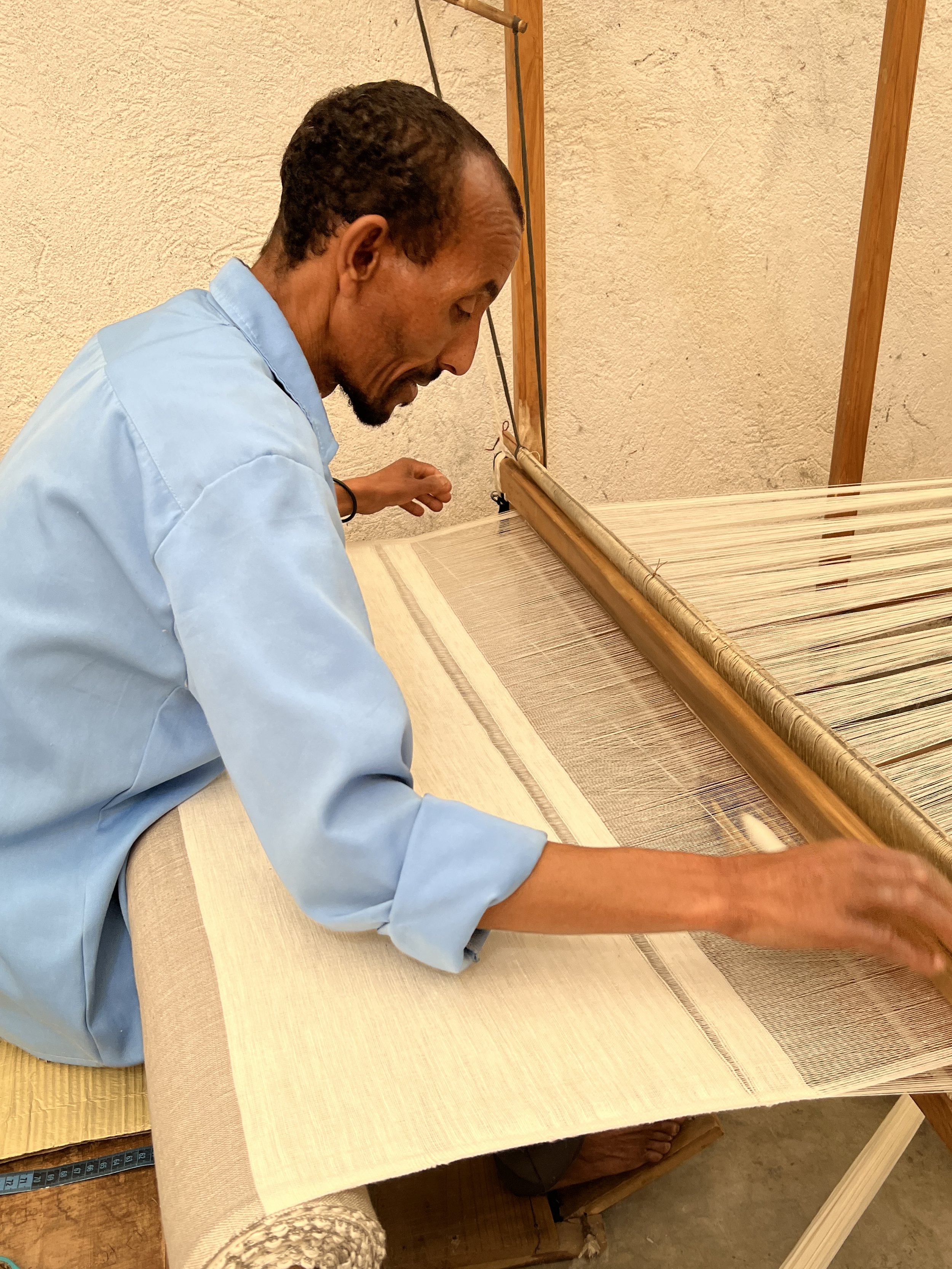
Unlike modern automated manufacturing, which often displaces workers to increase efficiency, craft systems are inherently labour-intensive. By prioritising high labour absorption and skill retention, craft systems offer a compelling alternative to automated manufacturing; leveraging indigenous knowledge and skills to provide meaningful employment in rural areas, effectively transforming traditional cultural heritage into a resilient, modern economic asset.
A primary challenge for Global South economies is the "race to the bottom" in mass production, where profit margins are razor-thin. Craft systems offer a structural alternative:
By providing alternatives to the low prices inherent in mass production, craft systems leverage scarcity and expertise to command premium pricing while utilising vertical integration to ensure local communities retain a higher percentage of the total supply chain value.
Craft-based models often align more closely with modern sustainability goals. They typically rely on local materials and decentralised production networks, making them more resilient to global market shocks compared to massive, centralised factory systems.
Conclusion
In conclusion, the path to economic growth does not have to mirror the low-wage industrialisation of the past; by leveraging the scarcity and skill of craft systems, the Global South can bypass the 'race to the bottom' and achieve a 'Take-Off' that is both financially rewarding and socially inclusive.
Choosing craft over mass-production is a strategic economic decision, not a nostalgic one. It allows communities to avoid the trap of low-wage factory work by turning their local culture and skills into a competitive advantage. This approach makes sure that growth is fair and that the financial rewards stay in the hands of the people doing the work.
Sources
The Transformation of Administrative Towns in Roman Britain by Lara Bishop, BA, Saint Mary‟s University, 1997, MA, University of Wales Cardiff, 2001. A Thesis Submitted in Partial Fulfilment of the Requirements for the Degree of MASTER OF ARTS in the Department of Greek and Roman Studies
‘Benchmarking medieval economic development: England, Wales, Scotland, and Ireland circa 1290’ and 'Corrigendum: Benchmarking medieval economic development: England, Wales, Scotland, and Ireland, c.1290' Campbell, B. (2008).
https://pureadmin.qub.ac.uk/ws/files/1641214/Benchmarking_paper.pdf?utm
Hemp: A Sustainable Plant with High Industrial Value in Food Processing
https://pmc.ncbi.nlm.nih.gov/articles/PMC9913960/?utm
Machine-breaking in England and France during the Age of Revolution
The Stages of Economic Growth Author(s): W. W. Rostow
https://cooperative-individualism.org/rostow-walt_the-stages-of-economic-growth-1959.pdf?utm
Photo Credit
Sabahar Ethiopia
Photography Anisa Johnny